What Is a Heavy-Duty Bag Closing Machine? Key Features, Applications & Buying Guide

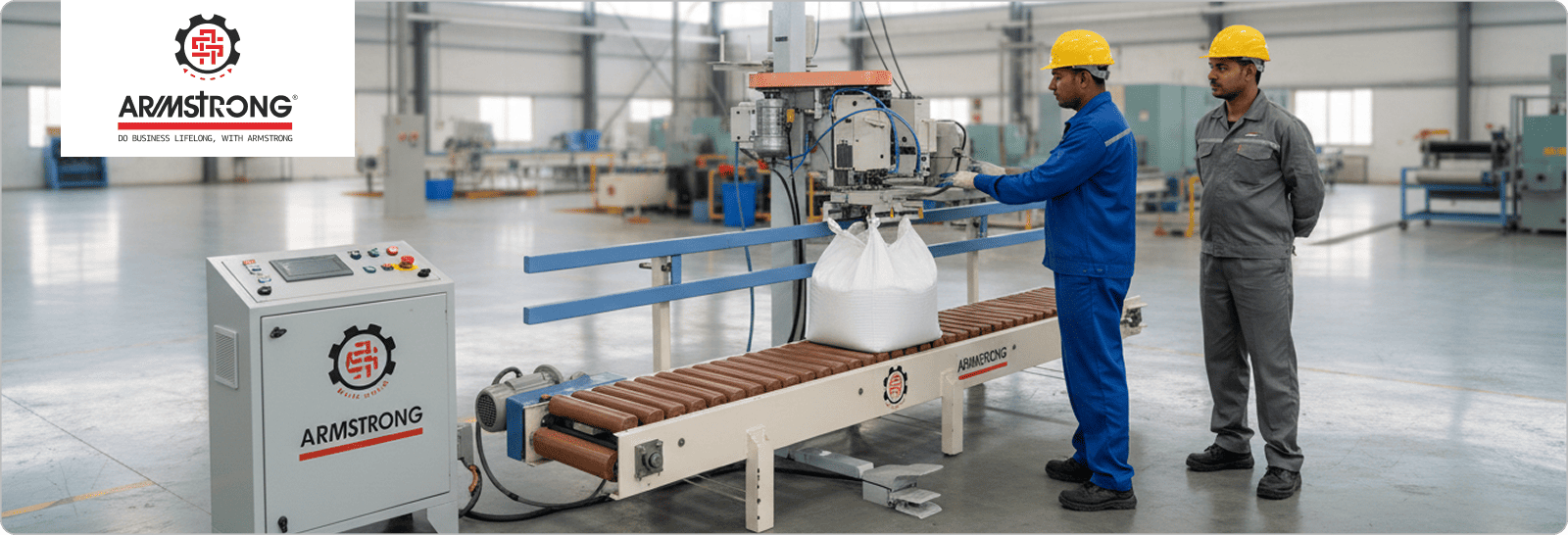
Packaging is not just the last step in industrial production, it is an important process that directly affects product safety, logistics efficiency, and overall reliability. A low quality sealed bag can result in leaks, polluting, weight loss, or even rejection during transportation. This is where a bag closing machine becomes an essential part of modern packaging operations.
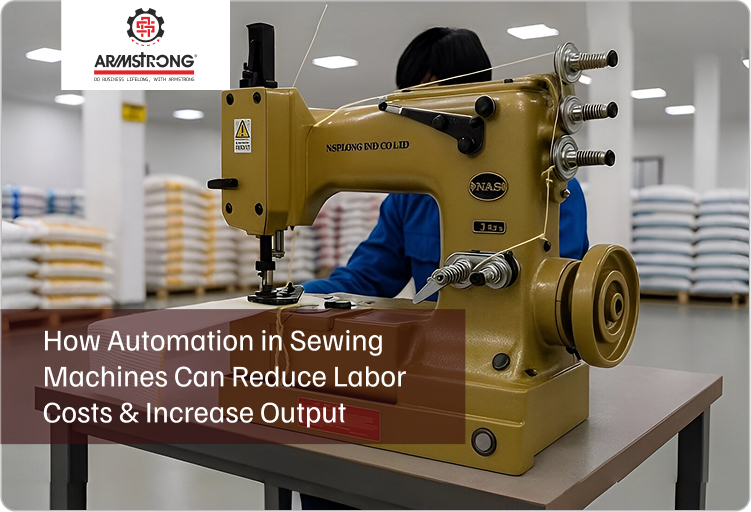
Across cement plants, fertilizer units, food grain mills, chemical factories, and construction material facilities, bag closing machines ensure that bags are sealed securely, consistently, and at high speed. Whether it is a woven bag sewing machine, a pp bag packing machine, or a fully automatic bag closing machine, they are designed to handle tough materials and continuous industrial workload with accuracy.
Heavy-duty bag closing machines are built for environments with long run production, high volumes, and costly downtime. They work reliably with polypropylene (PP), HDPE, jute, and woven sacks, making them irreplaceable for bulk packaging.
This guide tells us about the heavy-duty bag closing machine, how it works, where it is used, and also, how to choose the right one.
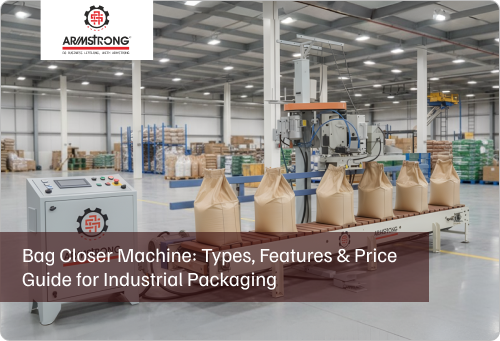
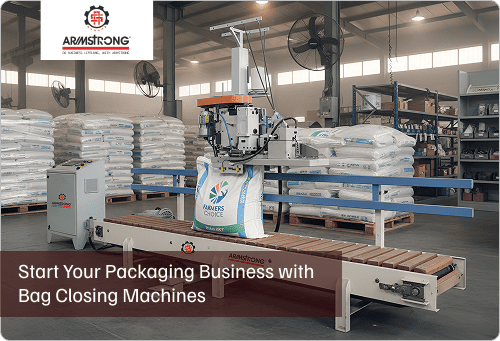
A bag closer machine is an industrial sewing or sealing system used to close the open mouth of filled bags. Instead of manual tying or stitching, the machine creates a uniform, secure seam that locks the contents inside the bag.
These machines are commonly used for:
Depending on production requirements, a bag closer sewing machine can be handled manually, can be semi-automatic, or fully automated. In large-scale operations, automatic bag sewing machine systems are the best choice due to their speed, consistency, and reduced manual dependancy.
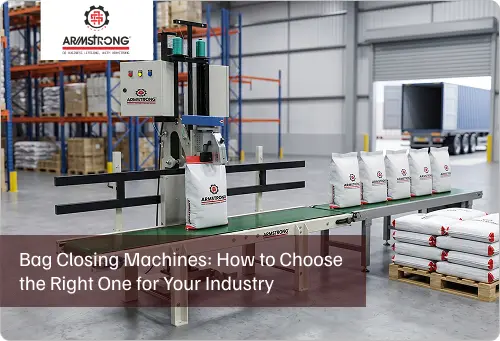
A bag sealing machine works by guiding the filled bag through a sewing or sealing head that closes the bag mouth using high-strength industrial thread or sealing tape.
The typical process includes:
Advanced pp woven bag sewing machine setups connect conveyors, automatic thread cutters, and sensors, allowing smooth, seamless operation in high-speed production.
Industrial packaging needs consistency, speed, and durability, where manual sealing methods lack that. Bag closing machines remove the variations caused by human handling and keep sealing consistent across thousands of bags.
Key advantages include:
For industries dealing in powders, granules, or bulk solids, a heavy duty bag closer machine is a must to maintain efficiency and quality.
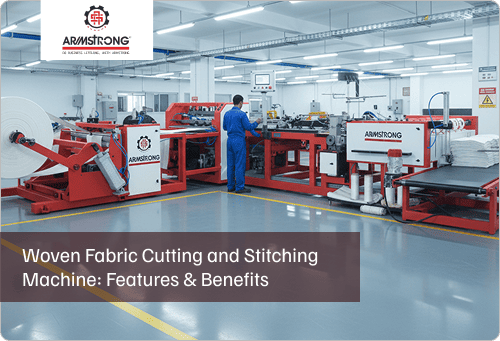
See Also: Woven Fabric Cutting and Stitching Machine: Features & Benefits
Every operation doesn’t require heavy-duty equipment, but some specific conditions clearly justify investment.
You should consider heavy duty bag closing machines when:
Industries such as cement, fertilizer, sugar, rice milling, and construction materials specially depend on high woven bag cutting and sewing machine to meet the demands of production.
Heavy-duty bag closing machines are widely used across industries that depend on safety bulk packaging, including:
Machines such as rice bag sewing machines, pp bag closing machines, and woven sack bag closing machines are designed to match specific industry and bag requirements.
Bag closing machines are available in multiple configurations based on sealing strength, bag type, and production speed.
This configuration is widely used for standard industrial packaging.
Best suited for:
Advantages include simple operation, cost efficiency, and low maintenance. These machines are commonly used as a pp bag closer machine spare parts in small to mid-scale facilities.
Designed for applications requiring higher seam strength.
Ideal for:
The dual stitch structure improves durability and reduces seam failure risk, making it suitable for heavy duty bag closer stitching machine applications.
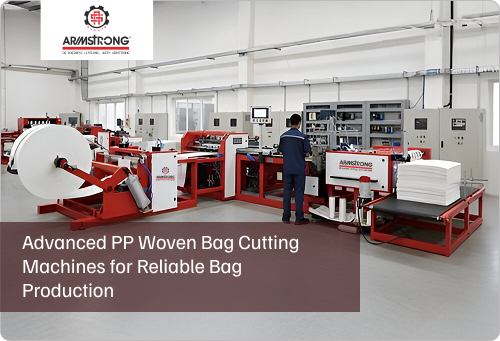
Read More: Advanced PP Woven Bag Cutting Machines for Reliable Bag Production
Modern pp woven bag closing and sealing system solutions are engineered to handle multiple bag materials while maintaining consistent stitch quality.
They can seal:
Customizable stitch density, sewing speed, and thread tension keep a check on smooth operation across different bag types without compromising on performance. Manufacturers looking for a dependable pp woven bag closing and sealing machine manufacturers often go for systems that offer flexibility and long-term stability.
Selecting the right machine becomes a bit expensive. A wrong choice can lead to inefficiencies, downtime, and quality issues.
Key factors to evaluate include:
Working with an experienced bag closing machine manufacturer or the reliable bag closing machine suppliers keeps a check if the machine aligns with both present and future operational needs.
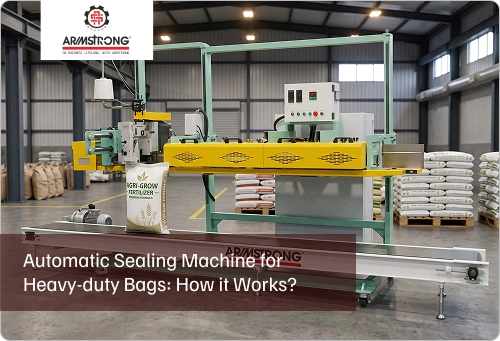
When testing an automatic sealing machine for heavy duty bag, focus on features that help in long-term performance:
These characteristics define truly high performance bag closing machines suitable for demanding industrial environments.
Investing in a bag sealing machine solution delivers measurable benefits:
For growing facilities, adopting an automatic bag closing machine is often the first step toward packaging automation.
Routine maintenance is very important for consistent output and long service life.
Best practices include:
Properly maintained bag cleaning machine operate reliably and minimize uncertain downtime.
After understanding what defines a reliable bag closing solution, it’s important to consider how Armstrong approaches machine design.
Armstrong bag closing machines are built for industrial environments where durability and consistency matter most.
They offer:
As a trusted pp woven bag closing machine manufacturer, Armstrong focuses on delivering machines that balance performance, reliability, and ease of operation for demanding applications.

The Heavy Duty Bag Closures Machine provides not only a means of sealing bags, but it also enhances a company’s overall productivity and quality assurance. When determining which type of newlong bag closing machine to purchase, businesses must also consider their potential impact on operational efficiency and safety as well as the overall quality of the goods produced by each type of heavy duty bag closure even if it is an automatic bag sewing machine.
Businesses will benefit from better decision-making regarding their choice of heavy duty bag closures by learning about how different types of heavy duty bag closures are utilized, along with their respective applications and critical components.
Explore more articles on innovation, engineering, and industry leadership.
December 7, 2024
September 8, 2025
October 15, 2025
November 25, 2025
November 26, 2025
December 29, 2025
January 27, 2026
February 23, 2026
February 24, 2026
August 10, 2026
August 20, 2026
August 26, 2026
 Previous