What is Flexographic Printing Machine & How It Works?

When you look at a printed woven sack, an FIBC bag, or industrial packaging, what you see is color, branding, and information.
What you don’t see is the powerful system working behind it — the Flexo Printing Machine.
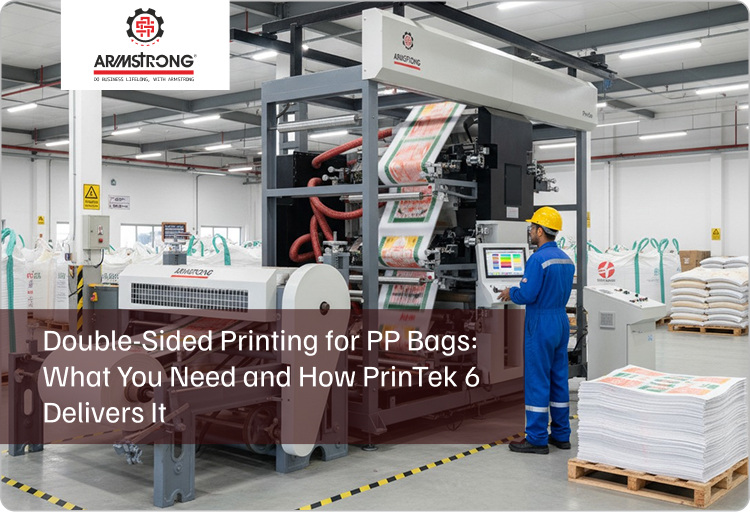
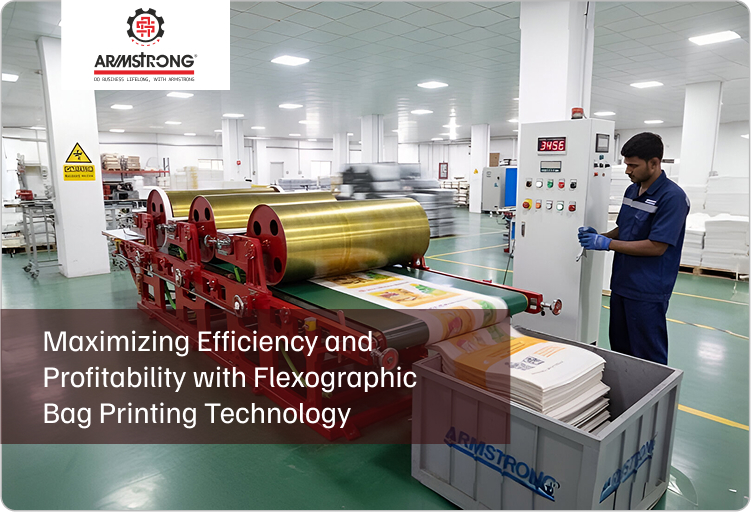
A Flexographic Printing Machine is one of the most widely used industrial printing systems in the packaging world. Designed for speed, consistency, and large-volume production, it has become essential for manufacturers who demand high output with reliable print quality.
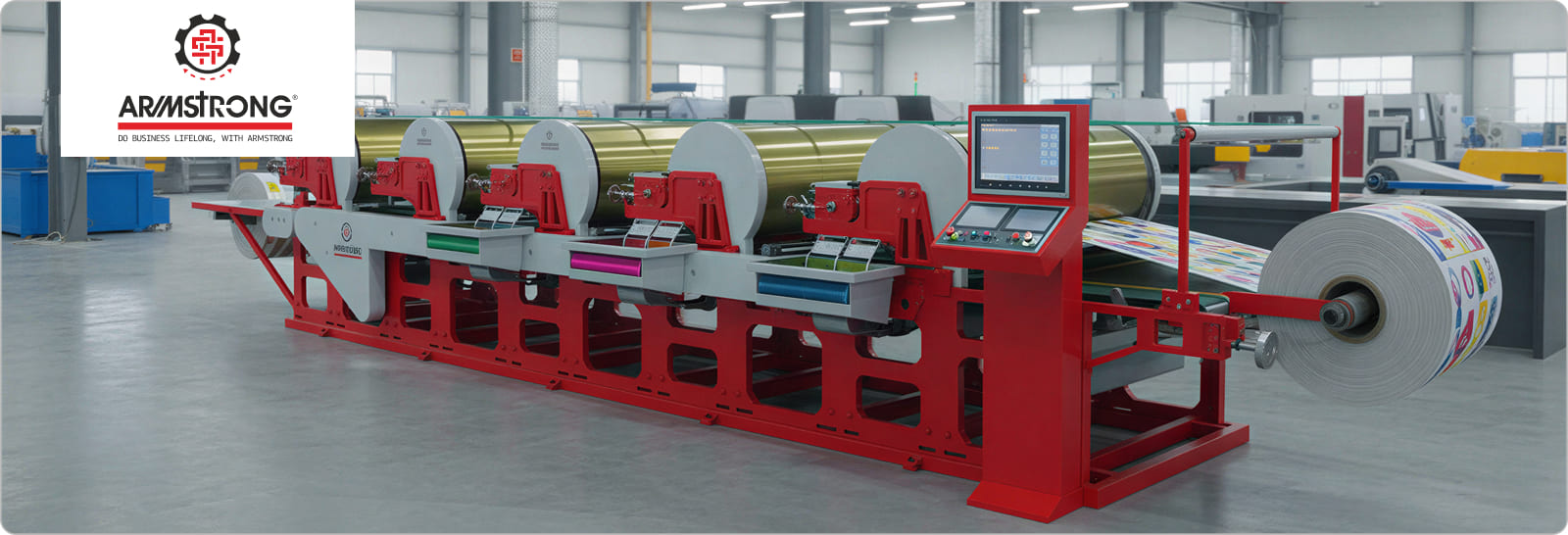
A Flexographic Printing Machine is a rotary printing system that uses flexible relief plates and fast-drying inks to print on materials such as:
Unlike traditional printing methods, flexographic technology allows continuous, high-speed printing making it ideal for industrial packaging production.
The process may look simple, but it is a carefully engineered system:
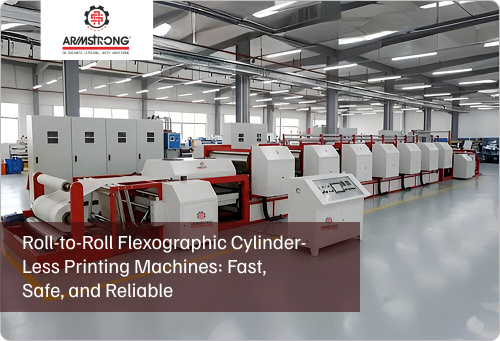
In a Roll to Roll Flexographic Printing Machine, the substrate moves continuously from one roll to another, ensuring smooth and uninterrupted production.
Modern packaging often requires vibrant branding. This is where the Multi Color Flexo Printing Machine becomes essential.
A Six Colour Flexographic Printing Machine allows manufacturers to print multiple layers of color in perfect registration.
For even higher flexibility, a Six Colors Roll-to-Roll Flexographic Printing Machine provides precision alignment across wide web materials.
Multi-color systems offer:
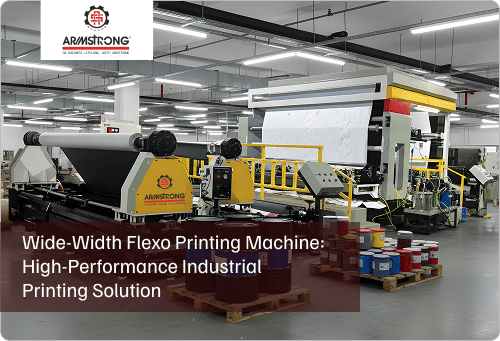
For large woven fabric and tarpaulin printing, a Wide Web Flexo Printing Machine or wide width flexographic printing machine is used. These machines are built to handle broader substrates while maintaining uniform ink distribution across the entire width.
Similarly, Flexographic Printers for Roll-to-Roll Coating integrate printing and coating processes, improving productivity and reducing handling time.
In high-output facilities, the Roll to Roll Flexographic Printing Machine is essential for continuous operations. It allows seamless processing of large volumes without interruptions, making it ideal for woven sack and FIBC industries.
A well-designed roll-to-roll system improves:
In industrial production, efficiency determines profitability. That’s why companies invest in high-quality flexographic printing machines designed for:
Modern flexographic printing machines for efficient production include automation features such as tension control, servo-driven systems, and advanced drying technology.
Right Flexographic Printing Machine Manufacturer plays a critical role in long-term performance. A reliable manufacturer focuses on:
Working with an experienced Flexo Printing Machines Supplier ensures consistent quality, spare parts availability, and after-sales service.
It’s beyond basic specifications. There are more factors influencing long-term ROI.
Printing Width
Wide-web machines improve productivity by increasing output per cycle.
Registration Accuracy
Precision alignment ensures professional-grade packaging quality.
Ink Compatibility
Machines that support multiple ink types offer operational flexibility.
Energy Efficiency
Modern machines reduce energy consumption without reducing performance quality.
Proper maintenance is a must for performance consistency.
Regular Cleaning
Prevent ink overload on rollers and plates.
Lubrication
Maintain moving parts for smooth operation.
Plate Storage
Store plates properly to avoid deformation.
Calibration Checks
Ensure accurate color registration and tension control.
Preventive Servicing
Scheduled servicing prevents expensive breakdowns.
Well-maintained machines deliver durability, reliability, and stable production.

The Flexo Printing Machine is more than just printing equipment — it is a core part of industrial packaging manufacturing. From single-color systems to advanced Six Colour Flexographic Printing Machines, and from Wide Web Flexo Printing Machines to fully automated Roll to Roll Flexographic Printing Machines, this technology continues to drive efficiency and quality in modern production.
As packaging standards evolve and demand increases, manufacturers rely on advanced flexographic printing machines for efficient production built by experienced Flexographic Printing Machine Manufacturers and trusted Flexo Printing Machines Suppliers worldwide.
Armstrong contributes to this evolving landscape by delivering engineered solutions that support high-performance printing in woven and industrial packaging sectors.
Explore more articles on innovation, engineering, and industry leadership.
December 7, 2024
September 8, 2025
October 15, 2025
November 25, 2025
November 26, 2025
December 29, 2025
January 27, 2026
 Previous