FIBC Liner Sealing & Cutting Machine: Types, Applications & How to Choose the Right One

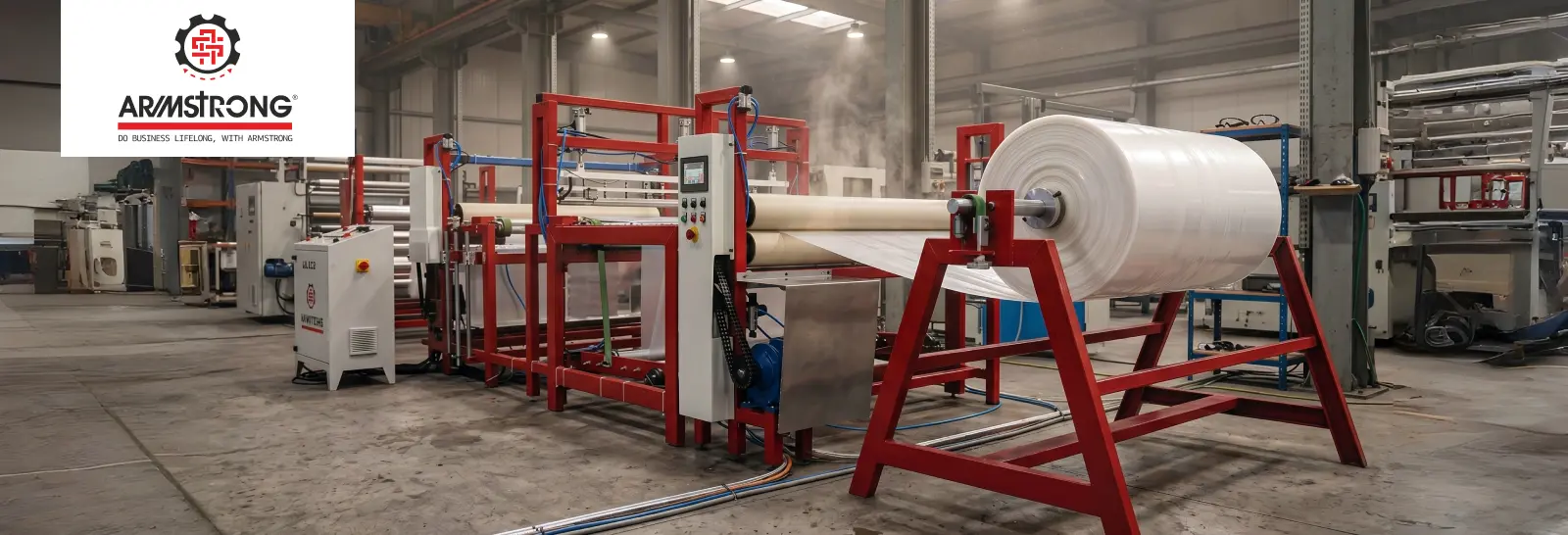
A well-built FIBC Liner Sealing Machine gives manufacturers liner output that is consistent in seal quality, clean in finish, and repeatable across production runs. Whether the search is for a bottom sealing and cutting machine, a liner sealing machine, or a liner cutting machine, the underlying need is the same. Liners that are ready to perform inside the final bag without variation.
For packaging manufacturers across industries, this is not just a machine purchase. It is a decision about how much variation they are willing to accept in one of the most critical steps of the bag-making process.
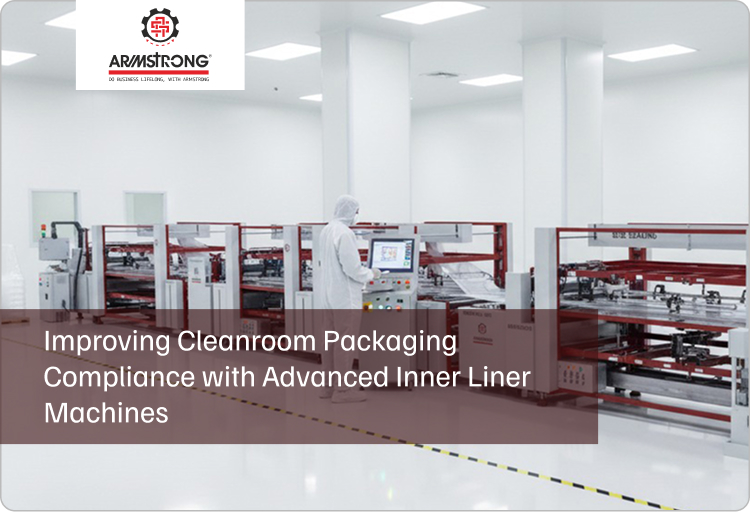
An FIBC Liner Sealing Machine is used to seal and cut liners that are placed inside FIBC or jumbo bags. These liners are commonly used where extra product protection is needed, especially in bulk packaging applications.
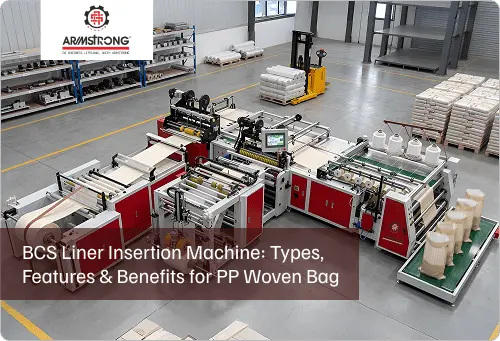
Learn More: BCS Liner Insertion Machine: Types, Features & Benefits for PP Woven Bag Production
Not every FIBC plant runs the same liner format. Some need simple gusseted liners by the thousand. Others need form-fit liners with spout sealing for pharmaceutical or food-grade applications. The machine type that works for one plant may not even be capable of producing what another plant needs. Here is a breakdown of what is available and where each type fits.
This is the workhorse of liner production. Most FIBC plants running standard gusseted or tubular lay-flat liners at volume will have some version of this machine. It handles bottom sealing and lengthwise cutting in a single pass, which keeps the process tight and reduces handling between steps. Armstrong's LinerTek SC sits in this category, running on PLC and servo control for consistent output across LDPE and HDPE without babysitting the parameters between batches.
When a form fit liner sealing machine needs to closely follow the internal shape of a jumbo bag, a form fit machine is used. This type handles bottle-shaped liners and performs spout sealing, side sealing, bottom sealing, cutting, and perforation, all in one automated sequence. It suits FIBC bags used in chemicals, pharmaceuticals, and food-grade applications where liner fit and hygiene matter more.
This type is designed for suspended shape liner sealing that hold their shape inside the bag. It handles U-shape and L-shape sealing operations and is often used in applications where the product needs to discharge cleanly through a spout without liner interference.
Rather than producing individual liners, this roll to roll liner sealing perforation machine works on a roll-to-roll basis, sealing and perforating the liner film in a continuous process. It suits manufacturers who supply liners on rolls to bag-making units or pack them for separate insertion.
For plants with lower volumes or flexible production schedules, a liner shape sealing machine option handles the core sealing and cutting tasks with manual loading. This reduces investment while still improving consistency over fully manual methods.
Each type serves a different production setup. Choosing the wrong type is a common and costly mistake, so it is worth mapping your liner format, volume, and material before deciding.
Read More: Why Liner Testing is Crucial for Packaging Quality Assurance
Agricultural products often move through long storage periods, rough handling conditions, and varying environmental exposure. In such cases, packaging performance becomes critical.
A poorly sealed liner can create avoidable issues later. An uneven cut can affect bag consistency. A poorly prepared liner may slow down downstream processes or reduce final packaging quality.
That is why a reliable bottom sealing and cutting machine for agricultural packaging is valuable. It helps create liners with better dimensional consistency and more dependable sealing quality, which ultimately supports better bulk bag performance.
For manufacturers, the benefit is practical. Better liner preparation means smoother operations, lower variation, and more confidence in the final packaging result.
A modern FIBC Liner Sealing & Cutting Machine is designed to carry out two essential tasks in one flow: sealing the liner properly and cutting the liner to the required format or length. This makes the process more efficient than handling the two stages separately.
In many production setups, the machine is used for liners made from materials such as LDPE and HDPE. It may also handle different liner formats, including gusseted or tubular lay-flat liners, depending on the production requirement.
This is why many manufacturers look specifically for an industrial bottom sealing machine for LDPE and HDPE liners when planning or upgrading a packaging line.
Plenty of plant managers put off this comparison until rejected liners make it unavoidable. By then the cost is already real.
Manual sealing setups live and die by whoever is running the machine that shift. When the operator is experienced and fresh, output is decent. When they are tired, rushed, or simply having an off day, you start seeing weak seals, inconsistent lengths, cuts that are slightly off. None of it looks catastrophic on the line, but it shows up later, either at inspection or worse, during transport.
The bigger problem is that many manufacturers assume rejection is a material issue. They change the film, adjust the gauge, try a different supplier. But the root cause is often the liner sealing machine itself not having enough control to hold consistent parameters across a full production run. A seal that looks fine but has inconsistent dwell time behind it is a liability, not a pass.
Switching to an automatic bottom cutting machine or fully automatic FIBC Liner Sealing Machine removes that variable. PLC control holds the temperature. Servo-driven cutting repeats the same length every single cycle. What comes off the machine at 4pm looks the same as what came off at 8am.
A quick side-by-side:
For bulk packaging of seeds, fertilizers, and powders, a liner that fails mid-supply-chain is not a production problem anymore. It becomes a customer problem. Getting the sealing process right at the machine level is cheaper than fixing it everywhere else down the line.
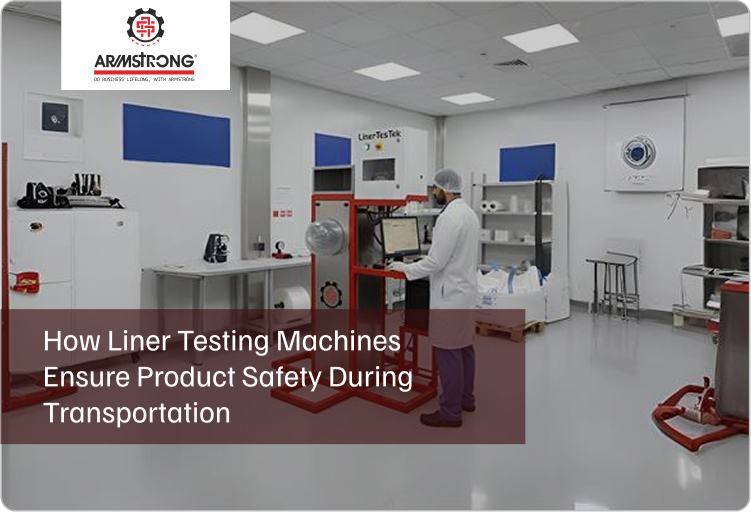
See Also: How Liner Testing Machines Ensure Product Safety During Transportation
Not all liner machines are equal. In actual production, performance depends on how well the machine handles consistency, control, and workflow.
1. Accurate sealing performance The main purpose of a liner sealing machine is to create strong and consistent seals. Good sealing quality helps improve liner reliability and reduces the risk of defects later.
2. Clean cutting accuracy A well-built liner cutting machine should deliver clean and repeatable cuts. This supports better liner uniformity and helps reduce rejection caused by uneven lengths or poor finishing.
3. Smooth process flow A machine that performs sealing and cutting in one sequence helps reduce unnecessary handling and keeps the production line moving more efficiently.
4. Material compatibility A practical FIBC Liner Sealing Machine should work well with commonly used liner materials such as LDPE and HDPE, especially in agricultural and industrial packaging applications.
5. Support for different liner formats Many plants require flexibility. A machine that supports gusseted and tubular lay-flat liner formats gives more scope for handling different packaging needs.
6. Stable operation For any industrial bottom sealing machine, stable output matters more than just speed claims. Consistency over long runs is what really supports plant performance.
A liner sealing machine is not limited to one sector. The same core function, precise sealing and cutting of protective inner liners, serves a wide range of industries. Here is where these machines see the most use.
1. Agriculture: Seeds, fertilizers, pesticide powders, soil conditioners, and animal feed all move in FIBC bags with liners. The liner prevents moisture ingress, dust contamination, and product spillage during loading, storage, and transport. A reliable bottom sealing and cutting machine ensures each liner is prepared with the consistency those products demand.
2. Chemicals and Pharmaceuticals: Chemical powders, pigments, and pharmaceutical intermediates require contamination-free packaging. Form-fit liners are preferred here since they conform closely to the bag interior, leaving less room for product residue or air pockets. The FIBC Liner Sealing Machine used in this segment needs to produce clean, airtight seals every cycle.
3. Food-Grade and Specialty Powders: Starch, sugar, flour, spices, and nutritional additives fall under strict packaging hygiene requirements. Liners used here are often food-grade LDPE or HDPE, and the sealing process must be consistent enough to meet those standards without manual variation.
4. Minerals and Mining: Silica, calcium carbonate, talc, and similar fine mineral powders require dust-tight liner sealing. An industrial bottom sealing machine in this segment handles heavier liner gauges and needs to maintain seal strength even under the weight of dense bulk materials.
5. Packaging and Logistics: Third-party packagers and logistics companies that supply lined FIBCs across multiple product categories need machines that can switch between liner formats quickly. Roll-to-roll and semi-automatic liner cutting machines often suit this use case.
6. Plastics and Polymers: Resin pellets, polymer granules, and plastic compounds shipped in bulk bags often require liners to prevent moisture absorption. These can be produced on the same category of machines with appropriate material handling adjustments.
Across all these sectors, the underlying requirement is the same. A liner that is sealed consistently and cut accurately. The application dictates the liner type, and the machine determines whether the output is reliable enough to meet it.
The value of this machine is not limited to one step in the process. It affects the overall quality and flow of production.
1. Better liner consistency: A properly designed FIBC Liner Sealing Machine helps create more uniform liners, which supports better bag assembly and more predictable packaging output.
2. Improved production efficiency: When sealing and cutting happen in a controlled process, manual dependency is reduced. This helps improve workflow and supports more efficient production planning.
3. Reduced wastage: A cleaner sealing and cutting process can reduce material loss caused by inaccurate cuts, poor sealing, or rework.
4. Better final bag quality: Well-prepared liners contribute to better fitting, better protection, and better overall packaging performance in agricultural applications.
5. More reliable bulk packaging: For seed, fertilizer, feed, and similar products, liner preparation directly affects how the final packaging performs during storage, transport, and handling.
Buying the wrong liner sealing machine is more common than people admit, usually because the decision gets made on price before the production requirements are fully mapped out.
The first thing to nail down is your liner format. Gusseted and tubular liners work on a standard bottom sealing cutting machine like the LinerTek SC. If you are producing form fit or bottle-shaped liners, you need a machine that also handles spout and side sealing, which is a different category entirely. No amount of adjustment on the wrong machine fixes a format mismatch.
Volume comes next. A semi-automatic liner sealing machine makes sense when you are running smaller batches or need flexibility between formats. Once you are pushing consistent volume through a shift, the manual loading becomes a bottleneck and the case for full automation gets obvious pretty quickly.
Then look at material range. LDPE and HDPE come in different gauges, and not every machine handles the full spread. If your product mix might change over the next few years, factor that in upfront rather than discovering the limitation after purchase.
The last thing, and honestly the one most people underweight, is who you are buying from. A spec sheet tells you what a machine can do in ideal conditions. A supplier with real experience in FIBC machinery tells you how it performs in actual plant conditions, what breaks, what needs calibration, and what support looks like after installation.
Armstrong has been in FIBC and woven bag machinery long enough to have seen most of what goes wrong and built their machines around it. Their liner sealing range covers the standard bottom sealing cutting machine format through to Form Fit and Suspended Shape variants, so there is a real option for different production setups rather than a one-size approach. For anyone seriously evaluating FIBC Liner Sealing Machine Manufacturers, it is worth a direct conversation with their team rather than just comparing brochures.
Packaging expectations are changing. Buyers want better product protection, cleaner bag quality, and more reliable packaging consistency. That puts more pressure on each stage of the bag-making process, including liner preparation.
As a result, the role of the bottom sealing and cutting machine is becoming more important. It is no longer just a supporting machine. It has a direct effect on quality, process smoothness, and final packaging confidence.
For agricultural packaging manufacturers, this makes liner sealing and cutting a process worth improving, not ignoring.

A good FIBC Liner Sealing & Cutting Machine helps bring consistency to one of the most important parts of bulk packaging preparation.
In agricultural packaging, where product safety, storage performance, and production efficiency all matter, better liner sealing and cutting can create a noticeable difference. It supports cleaner output, smoother workflow, and more reliable packaging results.
For businesses evaluating FIBC Liner Sealing Machine Manufacturers or searching for an experienced FIBC Liner Sealing Machine Supplier, it helps to look for a company that understands both the machine and the packaging process around it. Armstrong is one of the established names in this segment, especially for manufacturers working in FIBC and woven bag machinery.
Explore more articles on innovation, engineering, and industry leadership.
December 7, 2024
September 8, 2025
October 15, 2025
November 25, 2025
November 26, 2025
December 29, 2025
January 27, 2026
February 23, 2026
February 24, 2026
August 10, 2026
August 20, 2026
August 26, 2026
 Previous