In PP woven bag manufacturing, speed alone is never enough. What matters is how smoothly your liner fits, how consistently the bag is converted, and how reliably the machine performs shift after shift.
That is exactly where a BCS Liner Insertion Machine becomes important
For manufacturers producing laminated woven sacks, BOPP woven bags, or liner-based packaging bags, liner insertion is a critical stage. A poor insertion process can slow down output, create alignment issues, increase wastage, and affect final bag quality. A well-designed Automatic BCS Liner Insertion Machine, on the other hand, helps convert bags faster, with better fit, cleaner sealing, and more consistent output.
This blog explains what a BCS Liner Insertion Machine is, its major types, important features, and the practical benefits it brings to modern woven bag conversion lines.
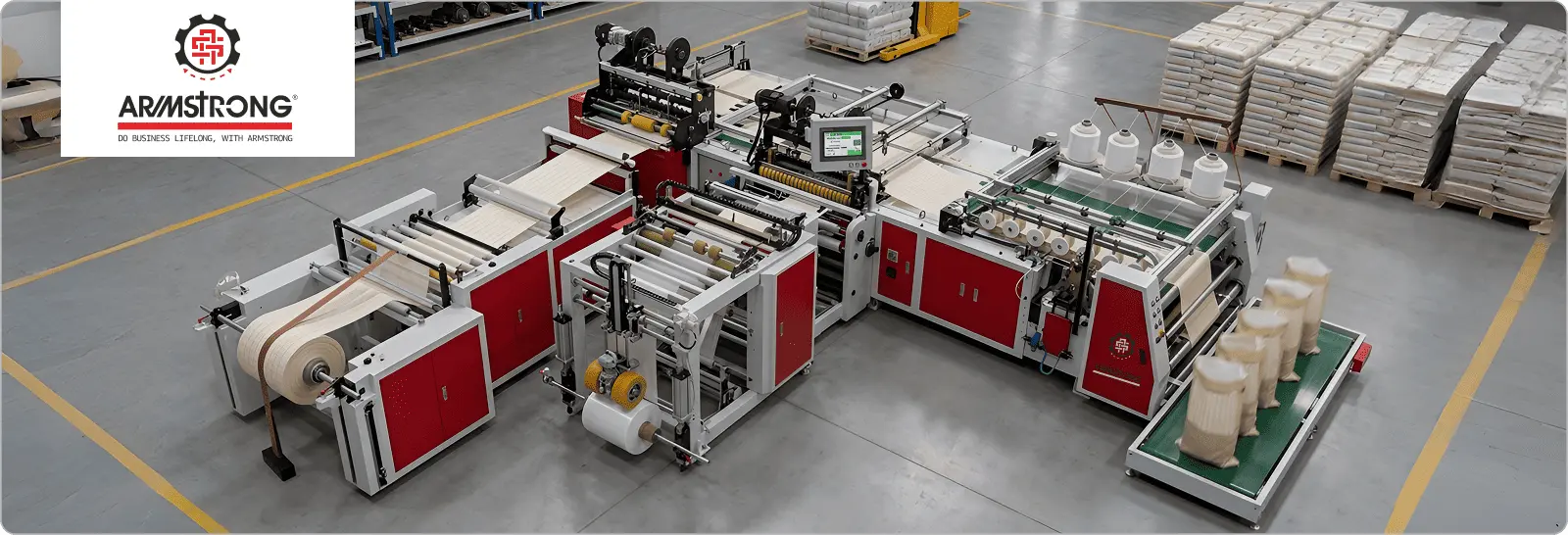
A BCS Liner Insertion Machine is a specialised machine used in woven sack conversion lines to insert pre-formed or roll-fed liners into PP woven bags during or after the bag conversion process.
It is commonly used for bags that require an internal liner for added moisture protection, product safety, leak prevention, or better packaging integrity.
In simple words, the machine helps combine the outer woven bag and the inner liner in a more accurate and production-friendly way.
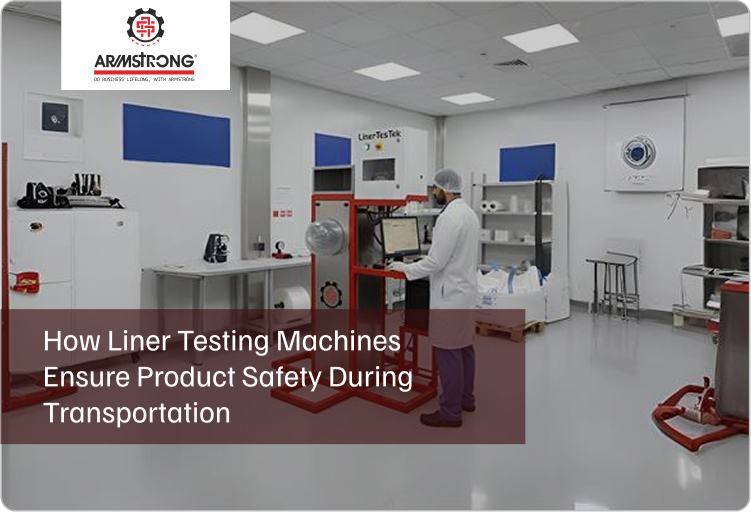
Learn More: How Liner Testing Machines Ensure Product Safety During Transportation
This is why many manufacturers look for a BCS Liner Bag Conversion Machine that can handle both speed and precision without compromising bag finish.
In many industries, the outer woven bag gives strength, but the inner liner adds performance.
A BCS Liner Insertion Machine for PP Woven Bags is especially useful when bags need:
- Moisture resistance
- Leakage protection
- Better hygiene for packed material
- Improved bag shape and fit
- Stronger packaging performance during storage and transport
For products like fertilisers, food ingredients, chemicals, powders, resins, and other bulk materials, the liner is not just an add-on. It becomes part of the bag’s functional design.
That is why a PP Woven BCS Liner Insertion Machine is now considered an important part of high-quality bag conversion operations.
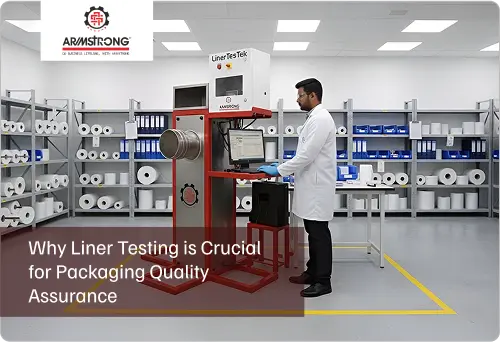
See Also: Why Liner Testing is Crucial for Packaging Quality Assurance
Different production needs require different liner styles and sealing systems. Below are some of the most relevant machine types and related liner solutions used in the market.
An Automatic BCS Liner Insertion Machine is designed for higher production speed, reduced manual dependency, and more uniform bag conversion results.
These machines typically support:
Automated liner feeding
Precise insertion into woven bags
Better synchronization with bag conversion lines
Consistent output across long production runs
For growing plants, automation helps reduce process variation and improves operator efficiency.
This machine type is specifically built for compatibility with woven sack conversion requirements. A PP Woven BCS Liner Insertion Machine is suitable for handling liners used inside woven bags made for industrial and commercial applications.
It helps manufacturers maintain better liner position, cleaner fit, and reduced rejection during final bag finishing.
This is one of the more advanced liner preparation formats used before insertion. The Form Fit Bottle Shape Liner Sealing With Cold Perforation Cutting System is designed to create liners that match bag shape more effectively.
Its value lies in:
Better liner contour
Improved fit inside the woven bag
Neater sealing profile
Controlled perforation for consistency
For manufacturers focused on liner accuracy, this shape-based approach can significantly improve bag presentation and functional performance.
Suspended Shape Liner Sealing (U+L Shape) is another specialised liner format used in certain woven bag applications. This type of liner design supports a structured internal fit and can help improve handling during bag conversion.
It is particularly relevant where liner shape, sealing geometry, and insertion consistency matter.
A Form Fit Liner Sealing Machine is used to create liners with shapes that fit the final woven bag structure more accurately.
Compared to generic liner preparation, form-fit sealing improves:
Liner alignment
Bag appearance
Functional fit
Reduced folding or liner distortion inside the bag
This becomes especially useful in premium packaging or high-volume automated lines.
A Liner Shape Sealing Machine (Semi Auto Liner) is a suitable option for manufacturers who want controlled liner shaping without moving fully into complete automation.
It offers a practical middle ground for plants that need:
Shape sealing flexibility
Lower initial automation complexity
Better process control than manual methods
This is often a good fit for medium-scale operations or for plants handling multiple bag formats.
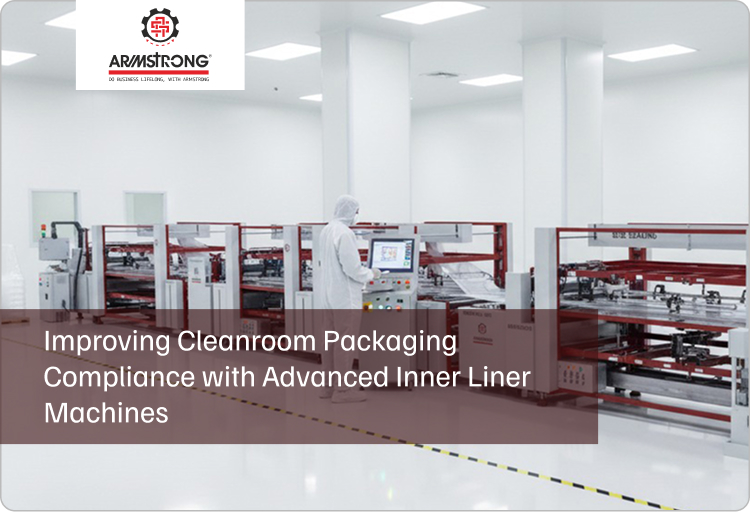
Read More: Improving Cleanroom Packaging Compliance with Advanced Inner Liner Machines
A liner insertion setup often performs best when connected with other liner processing systems. That is why many manufacturers evaluate the full ecosystem, not just the insertion stage.
A Roll to Roll Liner Sealing Perforation Machine helps prepare liners in continuous roll form with sealing and perforation accuracy. This improves upstream liner availability and makes downstream insertion smoother.
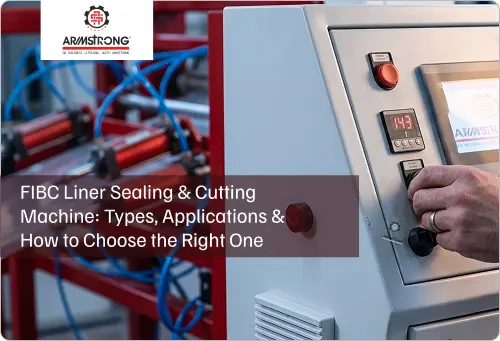
A FIBC Liner Sealing & Cutting Machine is used where larger liners are needed for bulk packaging applications. It is especially relevant in FIBC manufacturing where liner preparation quality directly impacts end-use performance.
A Liner Testing Machine helps verify liner integrity before final use. This is important because even a well-inserted liner can fail in application if the sealing or film quality is not tested properly.
When used together, these machines support better overall process control from liner making to liner insertion to final quality assurance.
When evaluating a BCS Liner Insertion Machine Manufacturer, features matter just as much as machine speed.
Here are some important features buyers usually look for:
- The machine should feed liners consistently without misalignment or uneven positioning.
- Smooth coordination between bag movement and liner insertion improves production stability.
- A strong BCS Liner Insertion Machine for PP Woven Bags should be designed around woven bag handling realities, not just liner handling.
- Automation helps reduce fatigue, operator dependency, and production inconsistency.
- Machines that work well with form-fit or suspended-shape liners help improve bag finish and internal liner fit.
- Many buyers search for solutions close to India's fastest BCS Roll-Fed Liner Insertion Machine category because output speed matters, but stability matters even more.
- The machine should fit naturally into a BCS Liner Bag Conversion Machine setup without creating bottlenecks.
A good liner insertion system does more than insert liners. It improves the complete conversion process.
- Better Production Efficiency.
- More Consistent Bag Quality
- Reduced Material Wastage
- Better Fit for Specialized Packaging
- Improved Plant Productivity
- Stronger Packaging Performance
Choosing the right BCS Liner Insertion Machine Manufacturer is not only about the machine price. It is about long-term production reliability.
Look for a manufacturer that offers:
1. Proven experience in woven sack and liner machinery
2. Strong machine build quality
3. Support for customised bag and liner formats
4. Reliable after-sales service
5. Availability of spare parts
6. Integration knowledge for related systems like Roll to Roll Liner Sealing Perforation Machine and Liner Testing Machine
A good machine partner should understand the production floor, not just the machine drawing.

A BCS Liner Insertion Machine plays a major role in improving the quality, speed, and consistency of liner-based woven bag production.
Whether you are investing in a PP Woven BCS Liner Insertion Machine, upgrading to an Automatic BCS Liner Insertion Machine, or evaluating related systems like a Form Fit Bottle Shape Liner Sealing With Cold Perforation Cutting System, the real goal is simple: better bag conversion with fewer process compromises.
For modern packaging plants, liner insertion is no longer a secondary operation. It is a core part of achieving reliable, scalable, and high-quality production
Explore more articles on innovation, engineering, and industry leadership.
December 7, 2024
September 8, 2025
October 15, 2025
November 25, 2025
November 26, 2025
December 29, 2025
January 27, 2026
February 23, 2026
February 24, 2026
August 10, 2026
August 20, 2026
August 26, 2026
September 16, 2026
September 19, 2026
 Previous