Bag Closing Machines: How to Choose the Right One for Your Industry

In most industrial facilities, packaging is the last stage of production before the product is out of the plant. However, this phase is also typically the one that can cause the most serious issues when it comes to whether or not to deliver an intact package to the end-user.
When a bag is not properly closed, a series of negative outcomes can occur: the cargo will move around during shipping; warehouses become harder to operate; complaints from customers increase; and lost production time is associated with resolving packaging issues that could have been eliminated in the first place.
This is why choosing the right bag closing machine is not simply a packaging decision. It's all about what you're putting into a bag and how quickly you can produce it.
Some examples of industries where you'll need to volume-pack are:
There are three different methods available to close bags, and finding the best method for your bag and production process can be confusing.
The absolute best way to make the right decision is to first know your packaging needs, bag type, how much you need to produce, and any problems related to your industry that may arise.
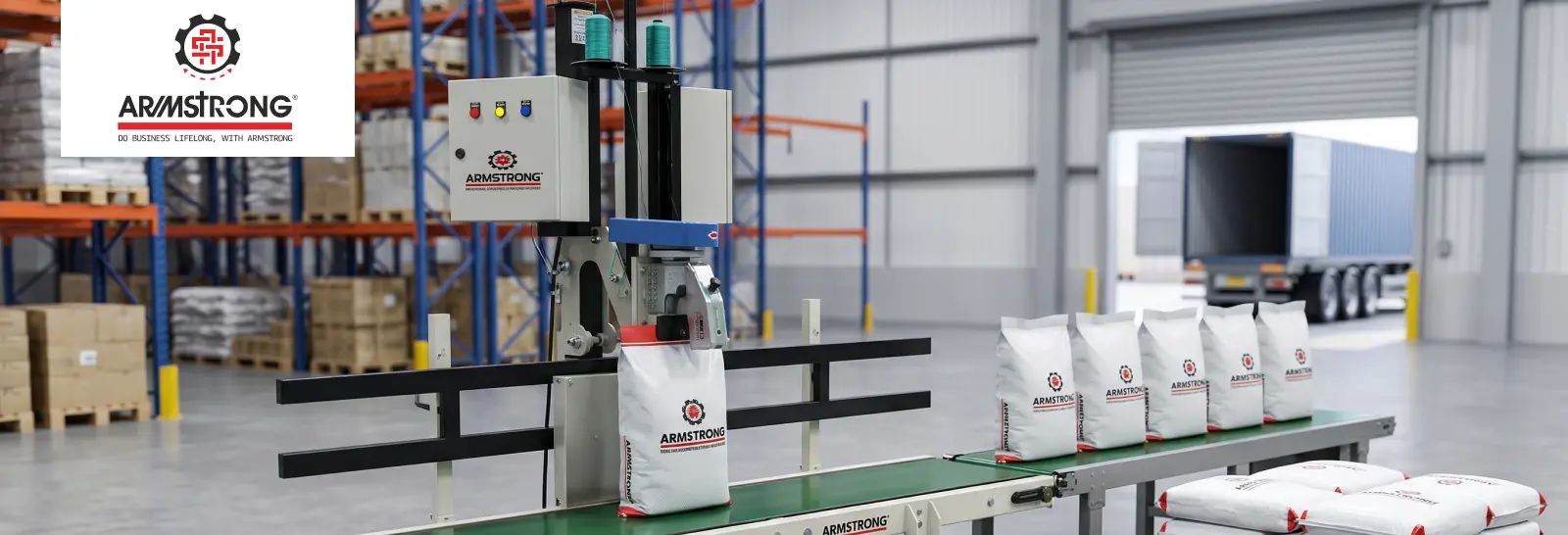
Bag closing machines are an industrial product used to close filled bags securely before being stored, moved, or removed from your facility. The primary use for these devices is to protect the contents of each bag while providing strength and integrity in bag packaging throughout the distribution chain.
Bag closing machines are utilized in almost every industry that packages in bulk, including fertilizer, agriculture, food processing, chemicals, cement, animal feed, and construction material.
Bag closing machines can use a combination of methods (stitching, heat sealing, crepe tape closure, etc.), depending on the type of packaging material used as well as the application, to secure the opening of the bags.
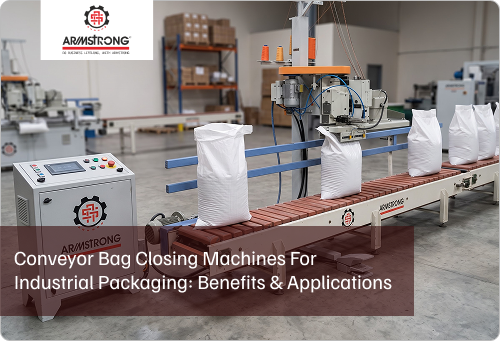
Modern-day bag closing systems have the ability to close different types of bags, from lightweight paper bags to heavy-duty woven sacks, and are also often integrated with conveyors, filling systems, and robotics, which will improve overall production efficiency.
While all bag closing machines serve the same basic function, the type of bag closing machine varies greatly based on the industry and format of packaging.
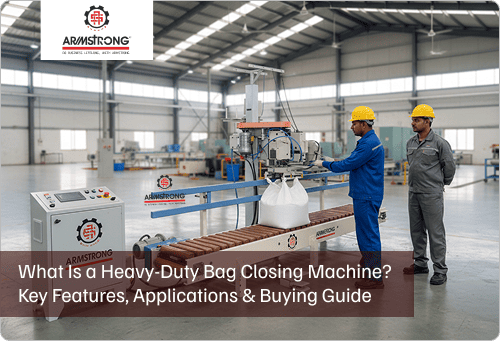
Learn: What Is a Heavy-Duty Bag Closing Machine? Key Features, Applications & Buying Guide
Although a bag closing machine may be just one component of a packaging line, bag closing machines have an impact that goes well beyond the packaging department, throughout the entire product lifecycle.
For example, a fertilizer company that fills thousands of bags daily cannot afford to have an inconsistent closure system; just a small number of leaking bags can lead to thousands of dollars of material loss each year. A weak stitch within the feed industry will result in bags breaking at any point along the supply chain. In the chemical industry, poor bag closures can lead to moisture and/or contamination of products during the production process.
The proper machine will prevent these problems before they occur.
More importantly, the right bag closing system provides for more consistency in the packing process, reduced downtime, and improved production flow through the facility. Operators spend less time adjusting the machine, maintenance is more predictable, and production rates are easier to achieve.
Most manufacturers only look at the machine they are using and think about its significance until they realize their existing machine is causing bottlenecks within the plant. By that time, the impact of inefficient packing had already taken its toll on their operations.
Choosing the correct equipment from the start helps to eliminate these issues and yields long-lasting operational benefits.
Not every packaging application requires the same closing method. Different products, bag materials, and production environments call for different solutions.
A single-thread bag-closing machine is often utilized for packaging applications that have simple requirements and moderate volumes of production. These types of machines will close the bag opening by applying a single-thread chain stitch. They can be utilized in the agricultural packaging industry, food product industries, and a select few types of industrial applications where cost and ease of operation are critical.
The double-thread bag closing machine provides an extremely strong closure that will endure more than a single-thread closure. Due to the greater strength of the additional stitching, double-thread closing machines are often used for heavier products like fertilizer, chemicals, cement, minerals, and industrial materials, where packaging is subjected to more stress during handling and transportation.
Certain items need greater than just mechanical stitching to be properly secured together. Combination systems provide a combination of both stitching and sealing, which can help to protect items from moisture, dust, and contamination. These combination machines are usually found in industries where the protection of the product is just as critical as the strength of the closure.
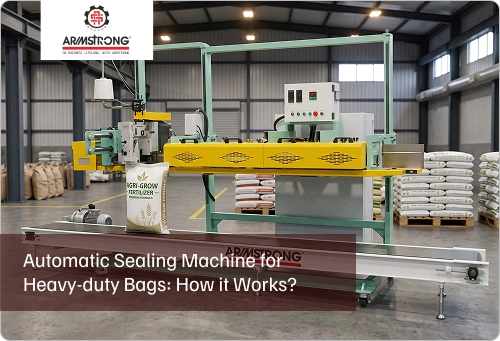
Automatic Bag Sealing Machine – 50 to 100 bag closing is becoming a greater part of the overall production process at today's packaging facilities so that they can perform better and be less reliant on manual labor.
A Single and double-needle automatic bag-closing machine performs at higher levels of productivity while providing users with the same level of quality of stitching. New automatic bag-closing machine systems tend to perform better in high-volume applications due to their speed and reliability.
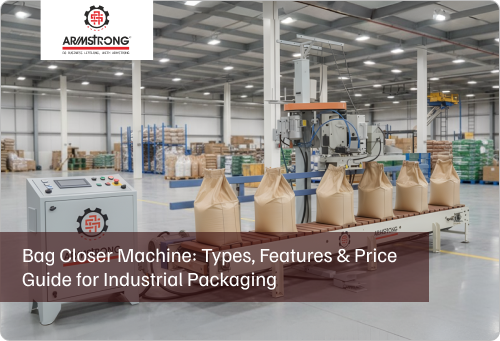
See More: Bag Closer Machine: Types, Features & Price Guide for Industrial Packaging
Machine selection should be based on operational requirements rather than simply comparing specifications.
1. Bag Type
One of the most significant factors when considering a bag closing machine is the type of bag being closed.
For instance, the differences in specifications of a bag closing machine for woven sacks versus closing paper bags, laminated bags, or specialty industrial packaging also require different features and possible options for getting a new or used machine to close your bags effectively, based on the type of material you will be sealing.
2. Product Weight
The weight of the packaged product directly affects closure requirements.
Heavier products place greater stress on bag seams during transportation and storage. In these situations, heavy-duty bag closer stitching machines often provide better long-term performance than lighter-duty alternatives.
3. Production Volume
An operation producing five hundred bags per day would require a different set of parameters than a multi-shift operation that produces thousands of bags per day.
Companies should evaluate their current production level as well as their projected growth when determining what type of equipment to purchase.
4. Automation Requirements
Integrated systems for packaging are being adopted by many businesses, and they're becoming increasingly common in the industry. When you have a single machine, it’s easier to fill, transport, weigh, and seal products at one location.
A machine that is set up for automation increases productivity and eliminates most manual labor.
5. Service and Support
The availability of dependable technical support and replacement parts is commonly not considered when obtaining machinery.
When packaging machines are critical for production, having quick and efficient service can greatly affect the ability to operate efficiently over time.
The best machine is not necessarily the most advanced machine.
Instead, it is the machine that aligns most closely with your production environment.
Agricultural packaging operations may prioritize speed and cost efficiency. Chemical manufacturers may focus more on product protection. Cement producers often require stronger stitching systems capable of handling heavy loads.
The packaging line itself should guide the decision.
Businesses should evaluate the following:
By focusing on operational needs rather than marketing specifications, manufacturers can select equipment that delivers consistent performance over the long term.
1. Improved Packaging Quality: Consistent closures help maintain packaging integrity throughout storage, transportation, and handling.
2. Reduced Product Loss: Strong stitching and reliable closures reduce leakage, spillage, and product wastage.
3. Higher Productivity:3. Efficient machines help maintain packaging speed while reducing interruptions and manual adjustments.
4. Lower Labour Dependency: Automated systems reduce the need for operator intervention and support higher production output.
5. Better Long-Term Cost Efficiency:5. Reliable equipment reduces maintenance expenses, downtime, and packaging-related losses over time.
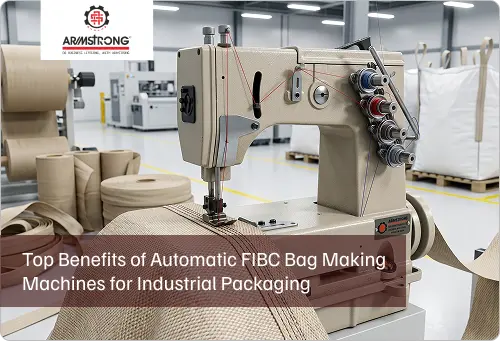
See Also: Top Benefits of Automatic FIBC Bag Making Machines for Industrial Packaging
Different industries use different bag closing technologies depending on product and packaging requirements.
1. Agriculture and Fertilizers: A woven sack bag closing machine is commonly used for fertilizers, seeds, grains, and agricultural products where strong closures are required.
2. Cement and Construction Materials: Heavy products such as cement require durable stitching systems capable of handling rough transportation conditions.
3. Chemicals and Minerals: Chemical manufacturers often use stitching and sealing combinations to improve product protection and prevent contamination.
4. Animal Feed Industry: Animal feed packaging requires reliable closures that can withstand handling, stacking, and transportation without failure.
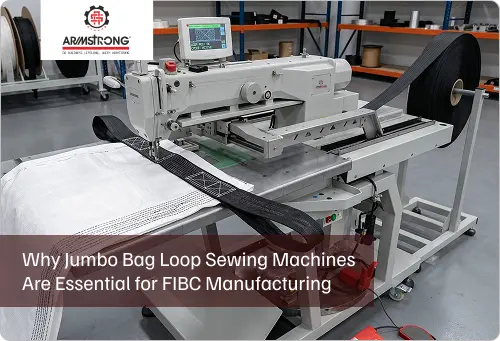
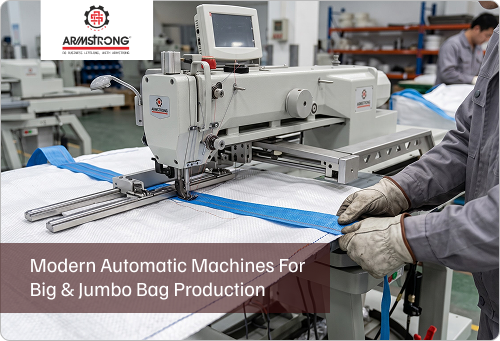
5. Bulk Packaging and FIBC Applications: A bag-closing machine for FIBCs is designed for jumbo bags used in bulk material handling industries. These applications require stronger stitching systems capable of supporting significantly heavier loads.
Industrial packaging requires machines that operate continuously and function well when under stress.
Armstrong is a reliable, heavy-duty bag closing machine manufacturer offering solutions for all your bag closing needs. Our systems have been engineered to provide stable support for a wide range of industries, including, but not limited to, agriculture, fertilizers, chemicals, cement, food processing, and bulk material handling.
From standard stitching solutions to advanced automated systems, Armstrong machines are built to meet modern packaging requirements while maintaining strong closure quality and operational efficiency.

How well a bag closure holds a packaged product together so it survives the rigors of storage, transport, and handling is typically determined by the quality of the closure.
Selecting the correct bag closing machines requires more than simply sewing a bag shut. The goal is to enhance packaging quality, prevent loss of product, increase productivity, and support an organization's long-term operational success.
After considering the type of bag, product characteristics, production volume, and automation requirements, manufacturers can choose equipment that meets their individual industry specifications.
Companies looking for reliable packaging solutions should consider investing in the correct bag closing machine, as this investment will result in measurable operational improvements now and into the future.
Explore more articles on innovation, engineering, and industry leadership.
December 7, 2024
September 8, 2025
October 15, 2025
November 25, 2025
November 26, 2025
December 29, 2025
January 27, 2026
February 23, 2026
February 24, 2026
August 10, 2026
August 20, 2026
August 26, 2026
September 16, 2026
September 19, 2026
 Previous