How Sugar Bags Are Manufactured: Machines Required for a Complete Production Line

Sugar is one of the most widely used food products on the planet, which means the way it's packaged is as critical as how it's made. Regardless of the form in which it comes, whether it’s fine-grain sugar, granulated sugar, or another sweet specialty food, each bag or sack needs to safeguard the contents against moisture, contaminants, damage in transit, and physical manipulation, ensuring a quality experience right from the food production factory floor to the grocery store shelf.
That protection doesn’t happen passively, however. Rather, it occurs on the back of meticulous production, backed by dependable machinery. Beginning with bag fabric preparation to cutting and stitching, followed by inspections, washing, and precise bag closing and counting, each step results in tough, food-safe, and functional packaging.
In response, sugar bag manufacturers are now deploying a new generation of sugar bag making machine systems that combine superior precision with modern, efficient automation, which is essential for increasing demand and ever-more sophisticated output. Knowing just how they’re produced can also equip your company for smarter investment decisions when sourcing an effective and modern packaging line.
A sugar bag making machine is an industrial solution designed to convert woven polypropylene (PP) fabric into finished sugar bags ready for filling and distribution. Unlike filling equipment, which only packs sugar into completed bags, these machines focus on manufacturing the bags themselves through multiple conversion processes.
Based on what your production needs would dictate, a sugar bag manufacturing machine can provide a variety of different functions, which could include lamination, liner insertion, cutting, stitching, sealing, cleaning, testing, and final finishing stages. Most of today’s production lines would have these stages incorporated to decrease the level of human intervention, increase speed, and ensure a constant quality of bag is achieved.
As sugar is a food-grade commodity, those manufacturers are going to be seeking precision dimensioning, quality stitching, and contamination-free operation, which in turn would offer excellent throughput capabilities from production through to the final product.
We do more than hold sugar within our packaging! All through the process of storing, shipping, and at retail point-of-sale, our bags endure high loads, varying weather, and considerable transit without leaking and or breaking.
Low-quality packaging affects the integrity of your sugar; you could suffer issues ranging from moisture damage, contamination, material loss, and higher-than-necessary handling expenses. If stitches begin to break down, dimensions can stray, or other quality problems might occur, your own procedures and customer confidence also take a big dip.
High-quality sugar bags help manufacturers:
Reliable food processing packaging machinery enables manufacturers to consistently produce bags that meet these quality expectations while maintaining high production efficiency.
Producing sugar bags involves several connected manufacturing stages. Each process contributes to the strength, appearance, and performance of the finished packaging.
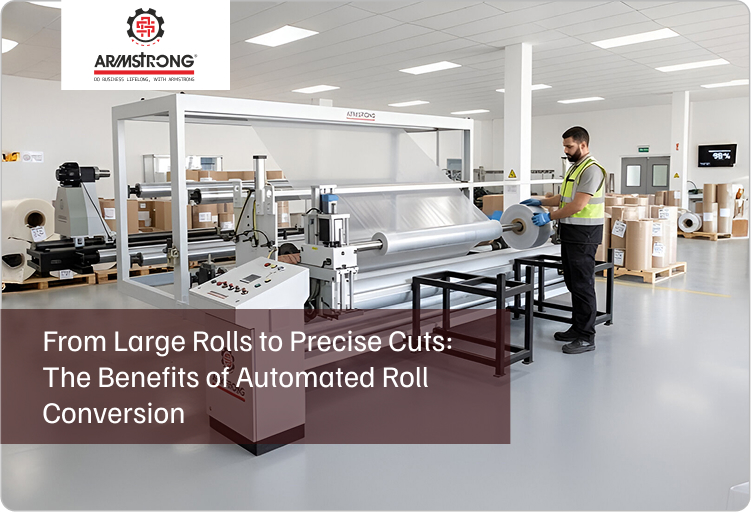
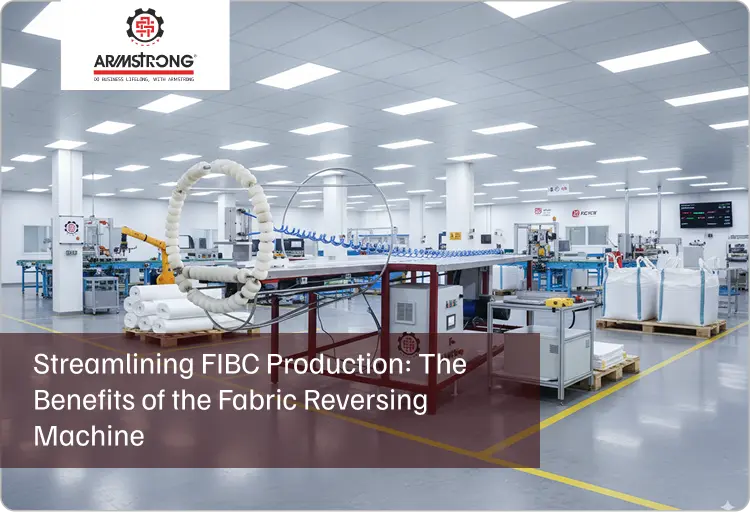
For sugar bags requiring additional protection against moisture, woven PP fabric is first processed using a FIBC Lamination Machine. This process applies a protective layer that enhances the bag's durability and barrier properties, making it suitable for food-grade packaging applications.
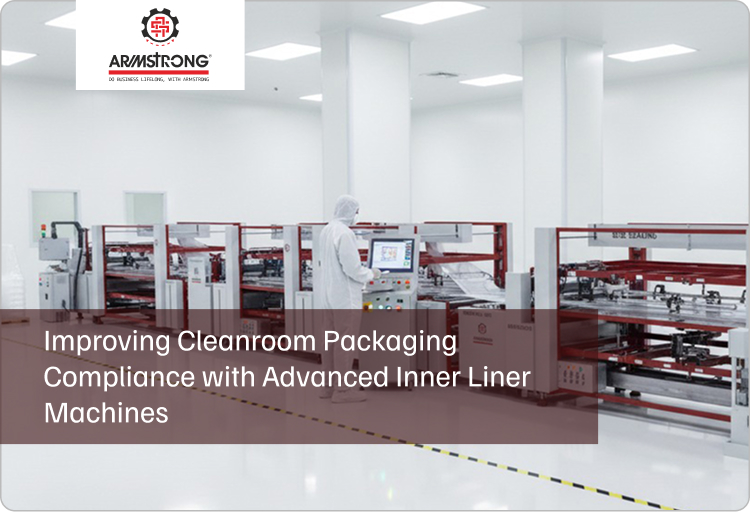
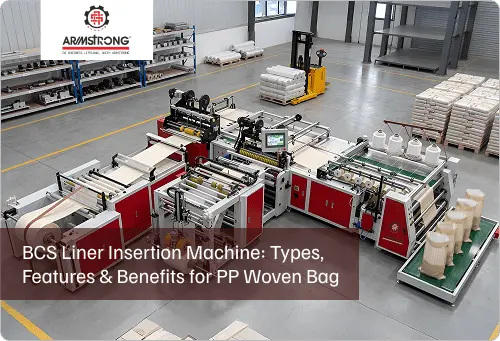
Certain sugar packaging applications require an inner liner to provide additional product protection. A high-speed liner insertion + BCS machine automatically inserts liners while preparing the bags for further conversion. By combining multiple operations into a single workflow, manufacturers can reduce manual handling and improve production efficiency.
Once the fabric is prepared, it moves to the BCS machine, where it is accurately cut and stitched according to the required bag dimensions. Precision at this stage is essential because uniform bag sizes improve filling efficiency and ensure a professional finished product.
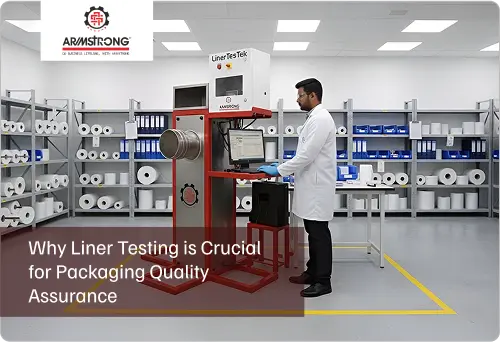
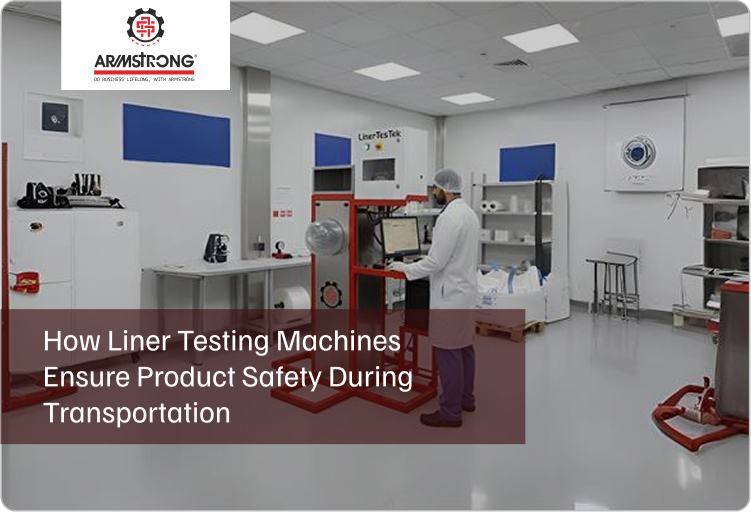
Before bags move to the finishing stage, quality checks become critical. A liner testing machine verifies the integrity of inserted liners by identifying leaks or defects that could compromise product protection. Detecting issues at this stage helps prevent packaging failures later in the production process.
During manufacturing, loose threads, fabric dust, and production residues naturally accumulate on finished bags. A bag cleaning machine removes these unwanted particles, ensuring cleaner bags that are suitable for food packaging and present a more professional appearance.
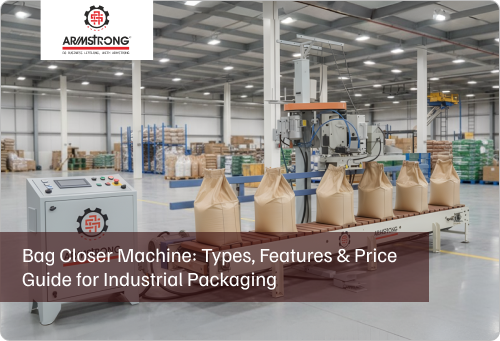
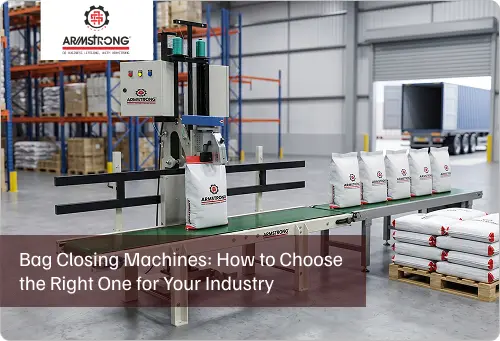
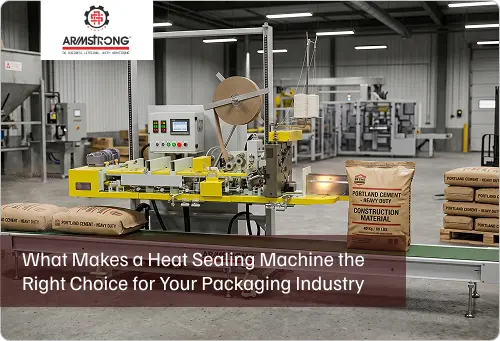
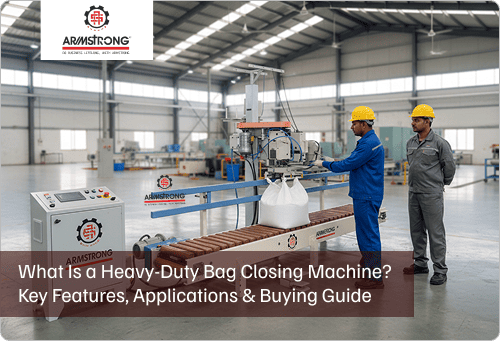
After the bags are filled with sugar, secure closure becomes essential. The Newlong Bag Closing Machine provides strong, uniform stitching that keeps the bags securely sealed throughout transportation and storage. In many production facilities, a bag sealing machine is also used to provide an additional level of closure and protection based on packaging requirements.
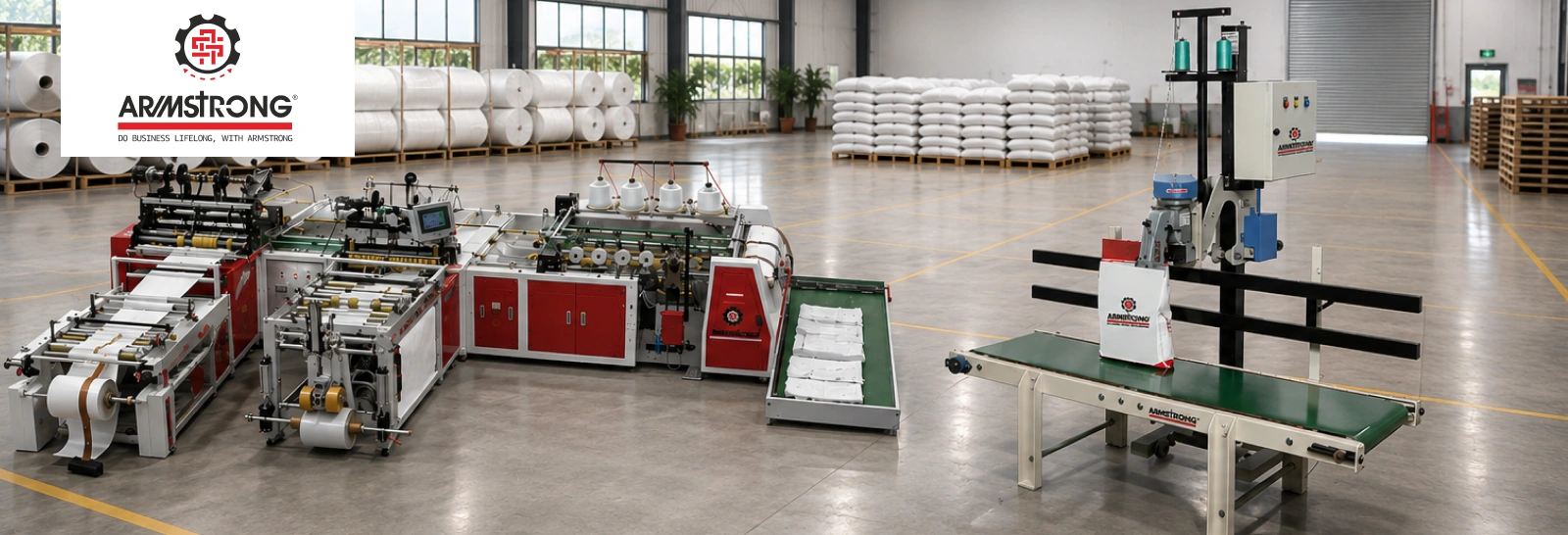
Manufacturing high-quality sugar bags requires a coordinated production line where each machine performs a specific function to ensure strength, hygiene, and consistent quality. Armstrong offers a range of specialized machines that support every stage of sugar bag production, from preparing the woven fabric to producing finished bags ready for filling and packaging.
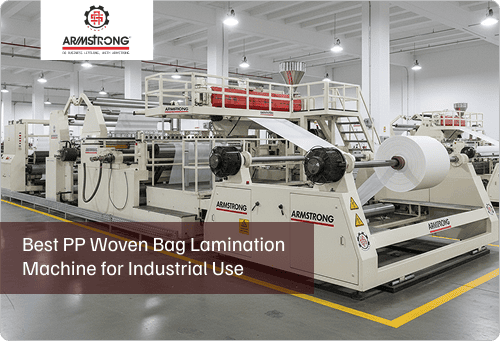
The PP Woven Bag Lamination Machine applies a protective laminated layer to woven fabric, improving moisture resistance and enhancing the overall durability of sugar bags. This is especially important for maintaining product quality during storage and transportation.
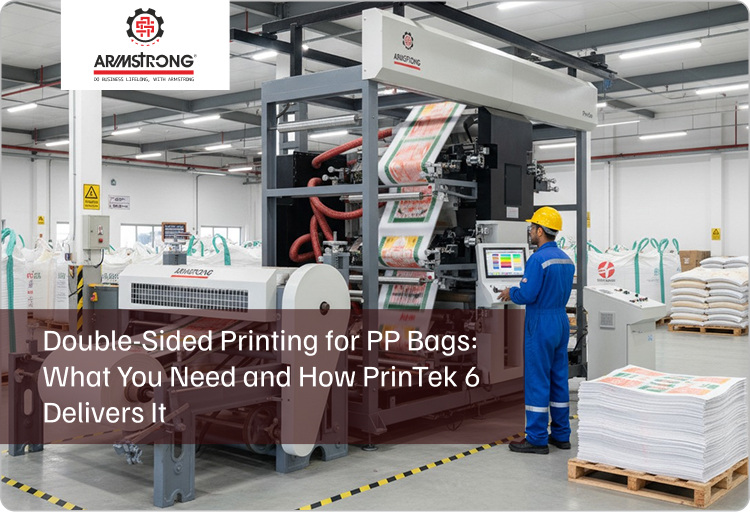
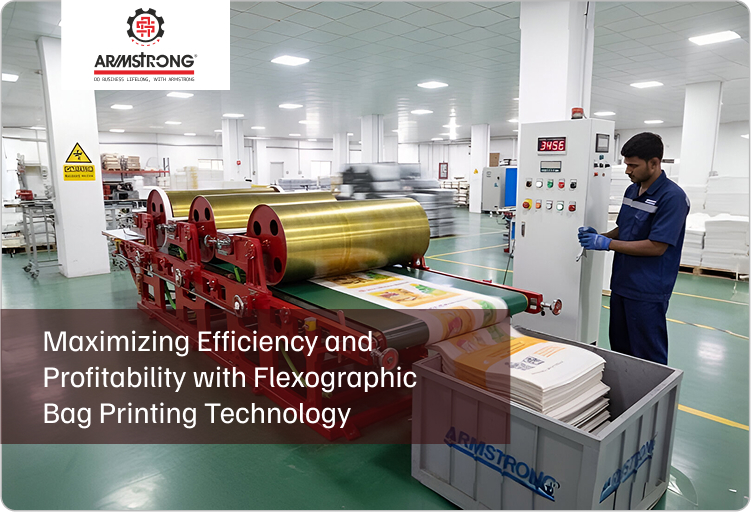
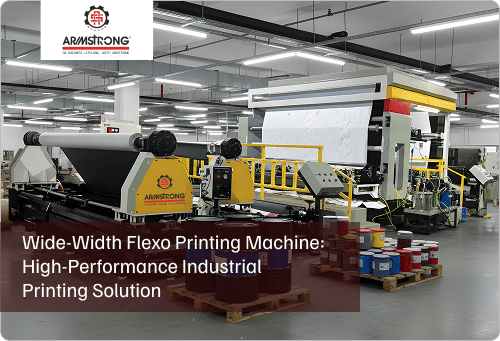
Before the bags are converted into their final shape, the Eight Color Flexographic Roll-to-Roll Printing Machine prints branding, product information, nutritional details, batch numbers, and other essential graphics with high precision. It delivers sharp print quality while maintaining high production speeds.
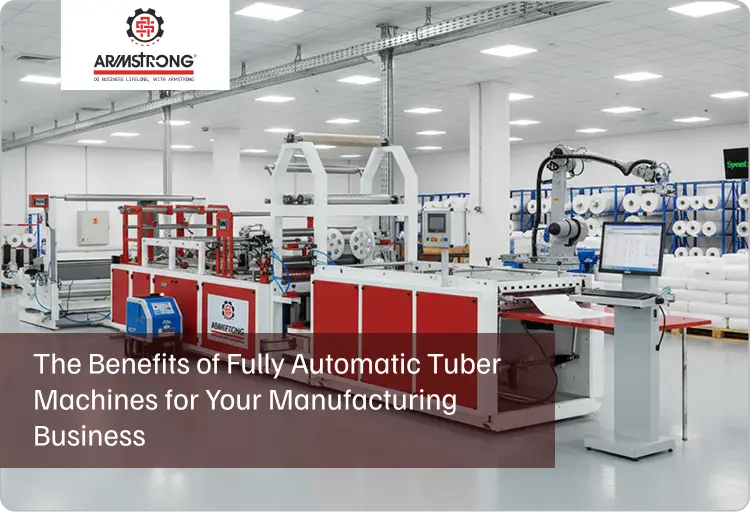
The Center Tuber Pasting Machine accurately forms woven fabric into tubular bag structures by pasting the fabric edges. This process creates a strong and uniform base for producing sugar bags with consistent dimensions.
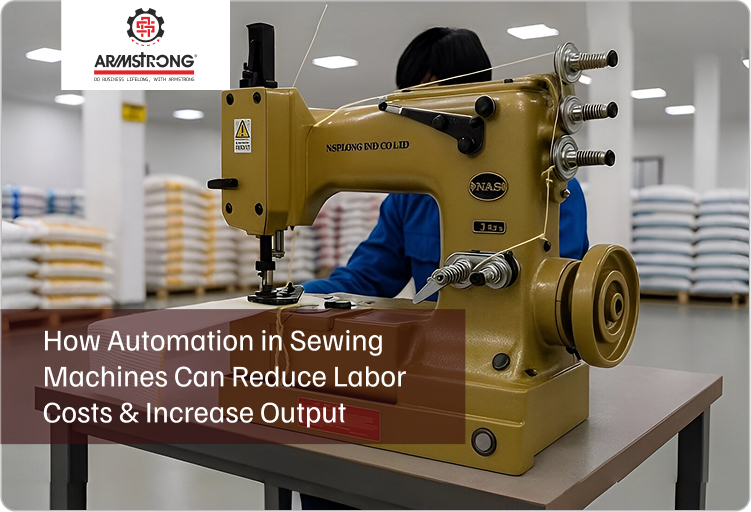
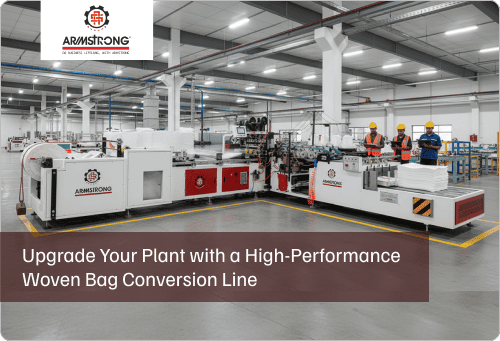
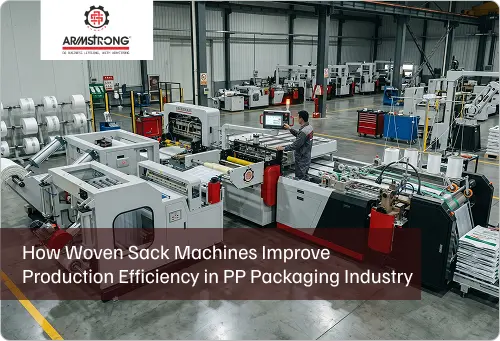
The High-Speed Bag Cutting & Sewing Conversion Line integrates cutting, folding, sewing, thread trimming, and stacking into a single automated workflow. By reducing manual handling and streamlining production, it enables manufacturers to achieve higher productivity while maintaining consistent bag quality.
To meet food packaging standards, the Bag Cleaning Machine removes loose threads, fabric dust, and other production residues from finished bags. This ensures cleaner packaging, improves product presentation, and supports hygienic sugar bag manufacturing.
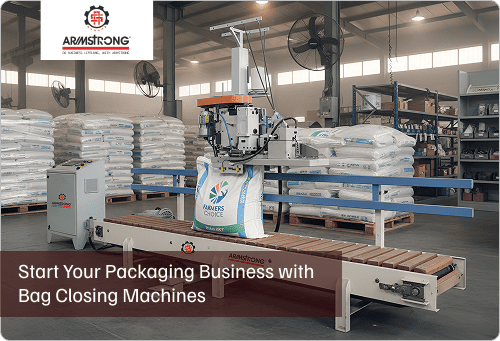
Once sugar bags are filled, the Newlong Bag Closing Machine provides secure, uniform stitching for reliable bag closure. Its precision sewing ensures the bags remain tightly sealed during storage, transportation, and distribution, helping protect the product until it reaches the end customer.
Investing in the right machinery isn't just about increasing production capacity; it's about building a reliable manufacturing process that delivers consistent quality over the long term. Before selecting a sugar bag making machine, businesses should evaluate the following factors:
Determine your daily and monthly production demands first. Your choice should align with what you require right now, with enough capacity to let your business expand in the future without a complete reinvestment.
The majority of our sugar bag manufacturing production involves high-quality product runs. Sugar bag manufacturing machines made with high-quality components and precise engineering allow a machine to produce a product of a higher quality, have the lowest downtime, and reduce overall maintenance. We also use higher-quality parts, which have proven to give machines higher longevity.
Automatic operations in manufacturing plants today help manufacturers minimize human interaction in manufacturing, achieve consistent quality results, and maximize output. They are at the stage where they consider the level of automation for their requirements.
Good after-sales support makes an equal level of importance. Spare parts access, technical help, and preventive maintenance programs make production continue smoothly by reducing production loss to the lowest cost.
Some of our clients have different needs for various bag sizes, volumes, weight, etc. This kind of packaging machine can meet the requirements of customers with several sizes.
Since sugar is a food-grade product, packaging quality cannot be compromised. Every bag must be manufactured with consistency to ensure product safety throughout storage, transportation, and distribution.
Manufacturers typically focus on maintaining:
Using advanced Sugar Packing Bag Machine solutions enables manufacturers to achieve these quality standards while maintaining high production efficiency and reducing quality-related rejections.
The last but perhaps the most crucial process for quality control in the manufacture of sugar bags is the cleaning.
Woven bags, during the manufacture of the various components that comprise a sugar bag, pick up stray threads, scraps of fabric, and fine dust from the processes involved, such as cutting and stitching. These residues may not seem that significant; however, they can cause the finished product to look untidy and, for food packaging in particular, are not preferred.
Before the bags are moved to the filling process, there's a bag cleaning machine to remove these residues completely. This ensures that the bag not only looks clean and presentable but also ensures cleanliness, which is sought after in food processing. It is also an endeavor to make the process completely automated, thereby removing the need for manual cleaning, increasing production speed, and at the same time maintaining quality.
A well-manufactured bag still requires a secure closure to ensure the product reaches customers safely. This makes the bag closing stage one of the most critical operations in the packaging process.
The Newlong Bag Closing Machine provides uniform, high-strength stitching that securely seals filled sugar bags. Strong closures help prevent product leakage during handling, transportation, and storage while maintaining the integrity of the packaged product.
When combined with a Bag Sealing Machine, manufacturers can achieve an even higher level of packaging reliability, particularly for applications where additional sealing is required to protect product quality.
Reliable bag closing also minimizes product losses, improves customer satisfaction, and contributes to a more professional finished package.
Automation has become an important investment for manufacturers looking to improve productivity while maintaining consistent packaging quality.
A modern Sugar Bag Manufacturing Machine production line offers several advantages:
By integrating multiple manufacturing processes into one streamlined workflow, businesses can increase efficiency while meeting growing market demand more effectively.
Along with having the right machines, finding the right supplier for them is just as important. It matters that the machinery not just provides quality today but also continues to meet any demands and helps a company grow for the future.
Armstrong has a very good track record for producing highly efficient interwoven bag converting solutions, which were developed specifically for high accuracy, longevity as well as sustained industrial use. Their machines were created to provide producers with reliable bag quality together with maximized process productivity with minimal process interruption.

Manufacturing high-quality sugar bags requires more than durable raw materials—it requires a carefully integrated production line where every machine contributes to the final product's strength, cleanliness, and reliability. From lamination and liner insertion to precision cutting, quality testing, cleaning, and secure bag closing, each stage plays an important role in producing packaging that meets the demands of the food industry.
By investing in advanced sugar packaging machine solutions from experienced sugar bag making machine manufacturers, businesses can improve production efficiency, maintain consistent quality, and strengthen their competitive position in the market. With the right technology and a trusted manufacturing partner like Armstrong, companies can build a future-ready sugar bag production line that delivers long-term value.
Explore more articles on innovation, engineering, and industry leadership.
December 7, 2024
September 8, 2025
October 15, 2025
November 25, 2025
November 26, 2025
December 29, 2025
January 27, 2026
February 23, 2026
February 24, 2026
August 10, 2026
August 20, 2026
August 26, 2026
 Previous