In the PP packaging industry, production pressure never really slows down. Orders increase. Delivery timelines tighten. Material costs fluctuate. And somewhere in the middle of all that, manufacturers are expected to produce more bags, faster, without compromising quality.
That’s where the machine line starts making a real difference. Because in woven sack manufacturing, efficiency is not just about running faster. It’s about how consistently the entire setup performs day after day. One unstable process can slow everything down, cutting, printing, stitching, lamination, and even packing.
Most manufacturers realize this at the same point: when manual adjustments, downtime, and inconsistent bag quality begin affecting output.
A reliable woven sack machine changes that equation completely. By having the correct equipment set up, your production line will perform better, have less waste, reduce the number of operators required, and be consistent through high-volume processing. When you are in a competitive marketplace, the direct relationship between your costs and the reliability of your sack machine will highly affect your overall profit.
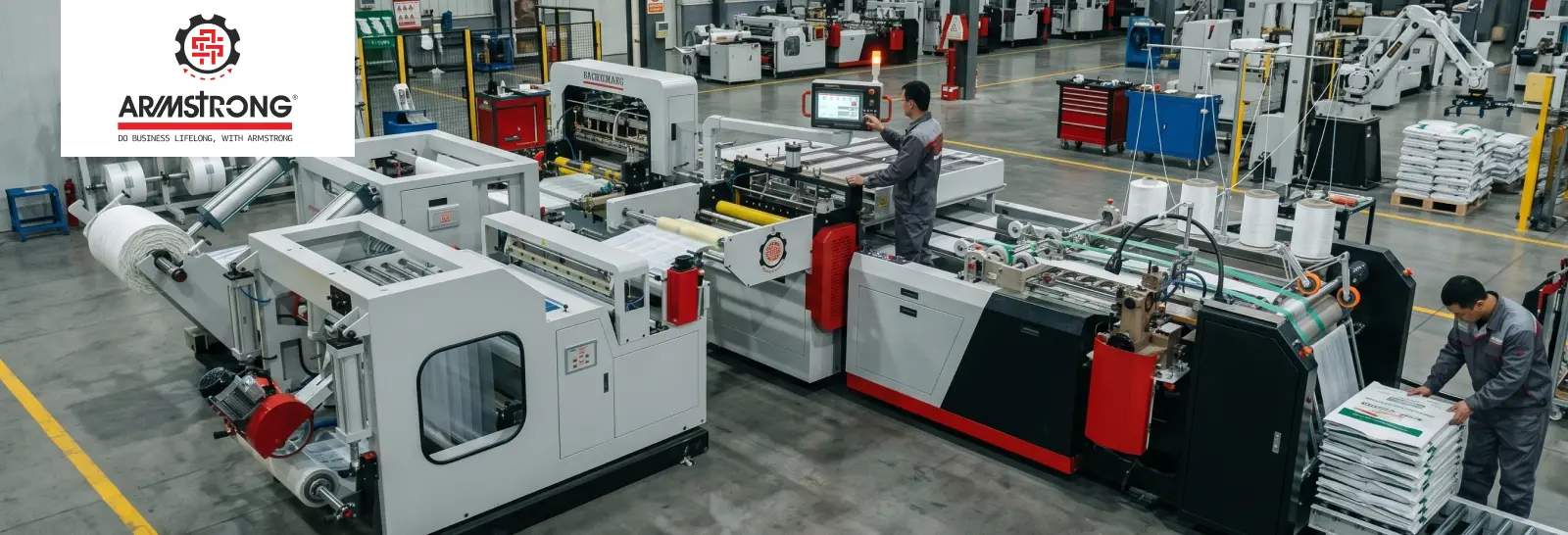
A woven sack machine is used to manufacture PP or HDPE woven sacks, commonly used for packaging bulk materials.
These bags are widely used because they’re:
Together, these machines form a full woven sack production machine line.
The goal isn’t just producing bags. It’s producing them consistently, at scale, with minimal variation.
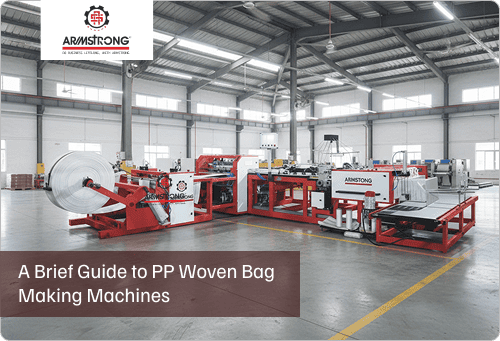
See Also: A Brief Guide to PP Woven Bag Making Machines
Once you become aware of them, you'll realize that PP woven bags can be found all around you. They are used by agriculture to package things such as grains, seeds, and fertilizers; construction companies for packaging cement and sand; and chemical processing companies to package chemicals and other industrial materials. The demand keeps growing because the packaging itself solves a practical problem; it’s durable without being expensive.
But growth in demand also puts pressure on manufacturers.
And that’s difficult to maintain with outdated systems.
This is why manufacturers are moving toward high-performance PP woven bag-making machines instead of fragmented or labor-heavy setups.
This is where machine quality starts affecting the business directly. Not theoretically. Practically.
1. Higher Speed Output
A modern woven sack manufacturing machine significantly increases output by reducing interruptions between processes.
Instead of relying on multiple disconnected stages, integrated systems maintain continuous production flow. That matters because delays in one stage usually affect the entire line.
2. Consistent Quality and Bag Strength
Inconsistent bags create problems later, during filling, stacking, or transportation.
A stable Woven Sack Bag Making Machine ensures:
This reduces rejection rates and improves reliability.
3. Reduced Material Wastage
Poor tension control, uneven cutting, or printing misalignment can waste a surprising amount of material over time. Modern woven sack production machine setups are designed to minimize these losses through better synchronization and control.
4. Lower Labor Dependency
Manual operations slow down as production scales. An automated PP HDPE Woven Sacks Bag Making Machine reduces repetitive manual intervention, allowing operators to focus more on monitoring than correcting. That shift alone improves workflow stability.
5. Energy Efficient Operations
Older systems consume more power while producing less stable output. New-generation machines are being designed with energy optimization in mind, especially in processes like lamination, printing, and cutting. Over time, that efficiency becomes financially significant.
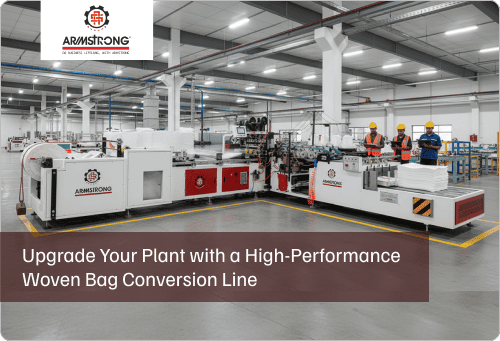
See Also: Upgrade Your Plant with a High-Performance Woven Bag Conversion Line
The process looks straightforward from the outside, but each stage depends heavily on consistency.
1. Tape Extrusion: Polypropylene material is melted and stretched into tapes. This stage determines tape strength and quality.
2. Weaving: The tapes are woven into fabric using circular looms. This is where the structure of the sack is formed.
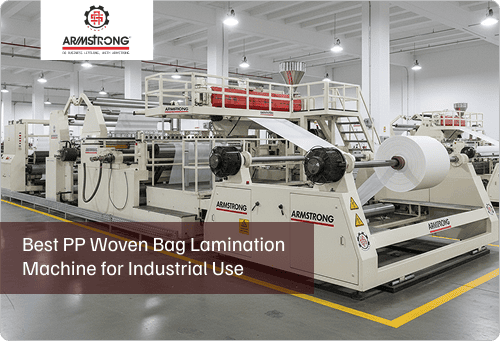
3. Lamination: The woven fabric is subjected to a PP Woven Bag Lamination Machine if additional strengths or moisture resistance are required. Laminated fabrics have improved durability and print compatibility over plain fabrics when used in the manufacturing of grocery bags.
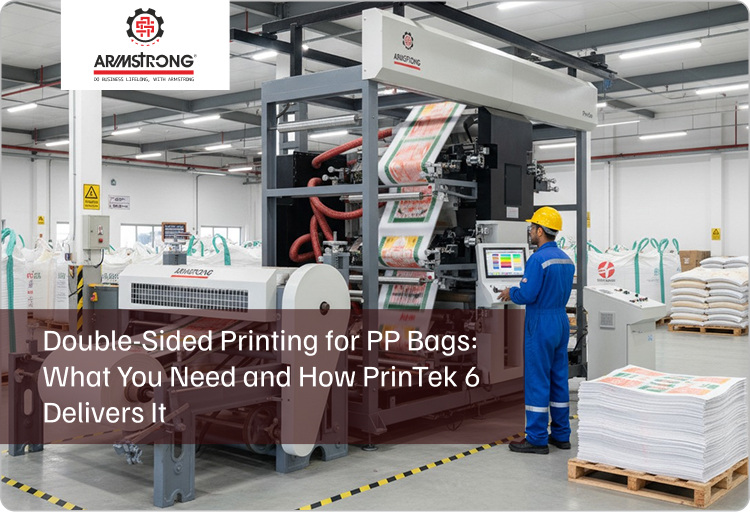
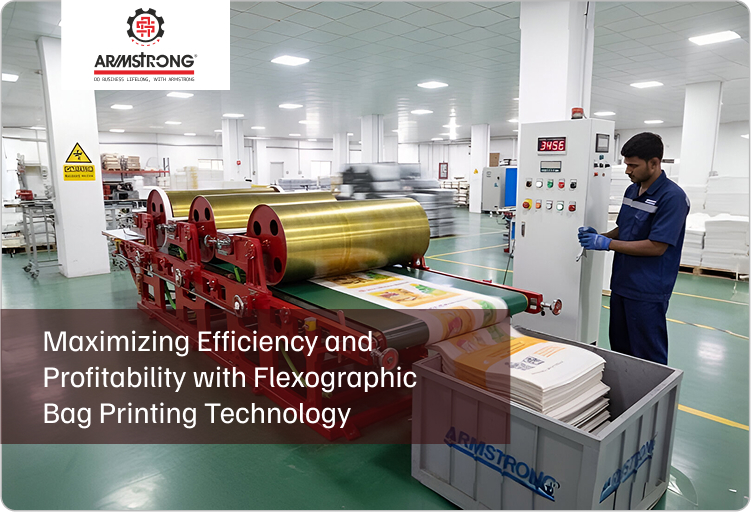
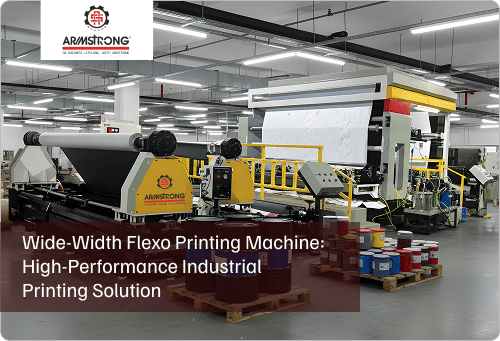
4. Printing: Woven fabric is printed before being converted into grocery bags using a Woven Sack Flexographic Printing Machine. It is very important to achieve accurate printing with your products, as most people would underestimate how important it is for export packing and brand recognition.
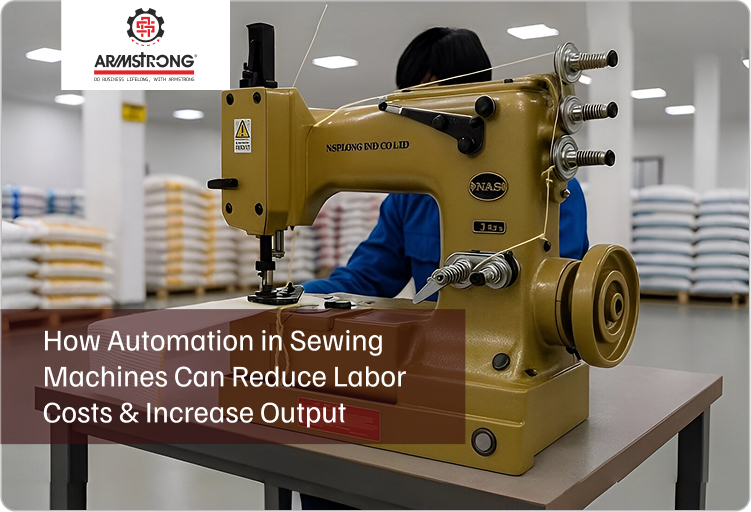
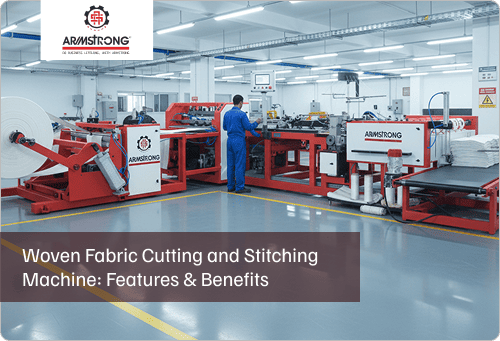
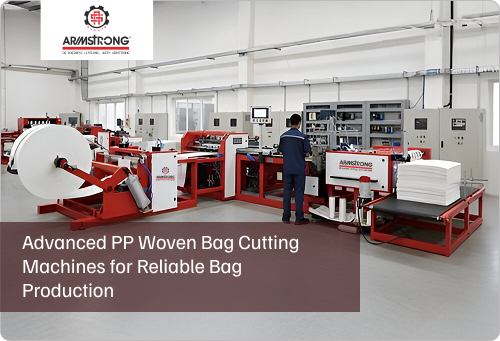
5. Cutting and Stitching: The completed grocery bags are cut to the required sizes using a High Speed Bag Cutting and Stitching Machine, with all bags requiring careful measurements and cuttings, as any small inconsistencies could create difficulties in handling later on.
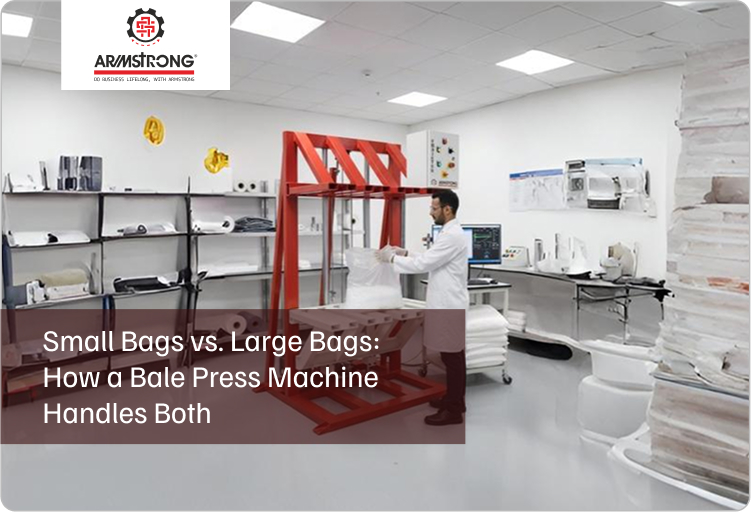
6. Bale Pressing: The completed grocery bags are all compressed using a Woven Sack Bale Press, reducing volume for easier handling and shipping.
Not all plants have the same requirements. Choosing the proper machine depends on production volume, bag type, and company objectives.
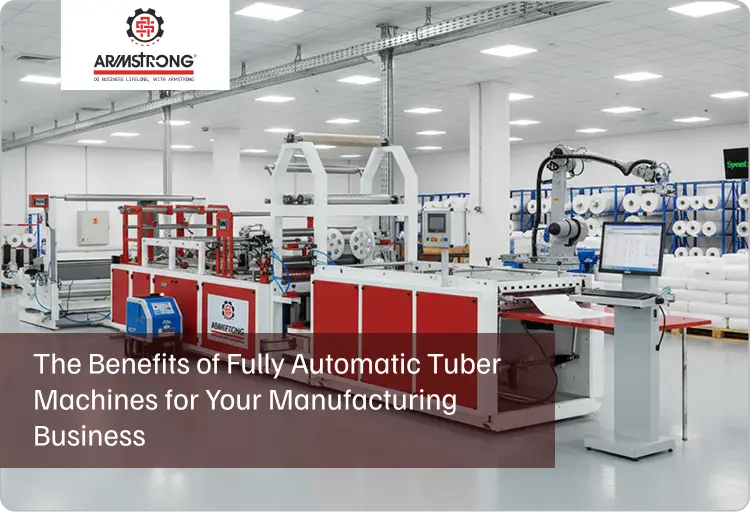
1. Automatic Woven Sack Production Line: A fully automatic woven sack production machine incorporates multiple processes in a single continuous flow. High-volume operations with more consistency and less manual flexibility may benefit from these types of systems.
2. High-Speed Woven Sack Production Equipment: The primary objective of high-speed systems is to achieve a consistent output volume during continuous operation. This can be challenging for any system if there are quality issues when operating at high speed.
3. Industrial Printing and Cutting Machines: Printing and cutting machines used in the production of bags must remain in proper synchronization; otherwise, even small deviations in alignment can have a negative impact on both bag appearance and size.
4. Semi-Automatic vs Fully Automatic Machines: Semi-automatic systems offer some flexibility with lower investment costs, while fully automatic systems require less manual handling, resulting in greater consistency of output. The correct machine for your company will depend on production volume, not only on budget.
This is where many buying decisions become clearer. A machine might look impressive on paper but behave differently under production pressure.
1. Operational Stability: Does the machine maintain performance over long runs without constant adjustment? That matters more than peak speed.
2. Consistent Output Quality: Uniform bag dimensions and stitch quality reduce downstream issues.
3. Ease of Maintenance: Frequent maintenance interruptions reduce actual productivity. A reliable Manufacturer of Premium Woven sacks or a woven sack bag machine manufacturer focuses heavily on machine accessibility and serviceability.
4. Energy Efficiency: Power consumption becomes a major factor in large-scale operations.
5. Scalability: Production demands change. A machine setup should support future expansion without requiring complete replacement.
PP woven sacks are widely used across:
Each industry has different packaging needs, but all rely on durability and consistency.
The best approach is usually the simplest one. Start with:
The right Industrial Woven Sack Machines Manufacturer should help align the machine setup with your actual workflow, not just recommend the largest system available.
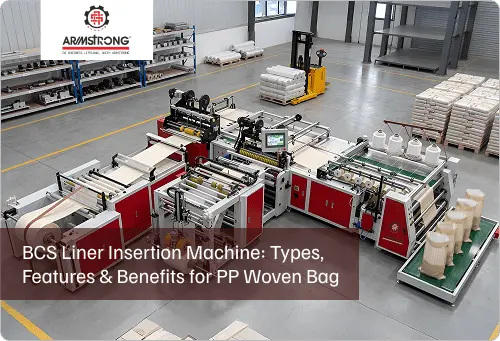
Learn More: BCS Liner Insertion Machine: Types, Features & Benefits for PP Woven Bag Production
The industry is changing quickly, especially in larger plants.
1. Energy-Efficient Systems: Manufacturers are prioritizing lower power consumption without compromising output.
2. Automation in PP Packaging: More plants are moving toward automated handling and synchronized production systems.
3. High-Speed Production Lines: Demand pressure is pushing manufacturers toward faster but more stable setups.
4. Growth in Agriculture and Construction Demand: These two sectors continue driving large-scale demand for woven sacks globally. And that demand is pushing machine manufacturers to improve efficiency continuously.

In woven sack manufacturing, efficiency rarely comes from a single machine. It comes from how well the entire production line works together: extrusion, weaving, printing, cutting, stitching, and finishing. A reliable Woven Sack Machine doesn’t just increase output. It enhances consistency in every stage of production, stabilizes operations, and minimizes waste. Within the PP packaging industry, consistency typically distinguishes between an increasing manufacturer's performance and that of a manufacturer who has been challenged or has difficulty.
Explore more articles on innovation, engineering, and industry leadership.
December 7, 2024
September 8, 2025
October 15, 2025
November 25, 2025
November 26, 2025
December 29, 2025
January 27, 2026
February 23, 2026
February 24, 2026
August 10, 2026
August 20, 2026
August 26, 2026
September 16, 2026
September 19, 2026
 Previous