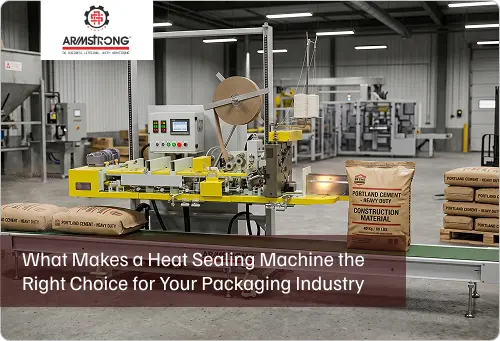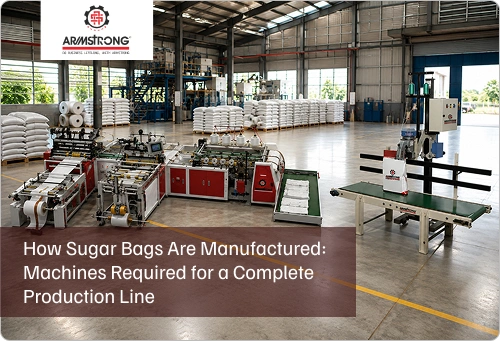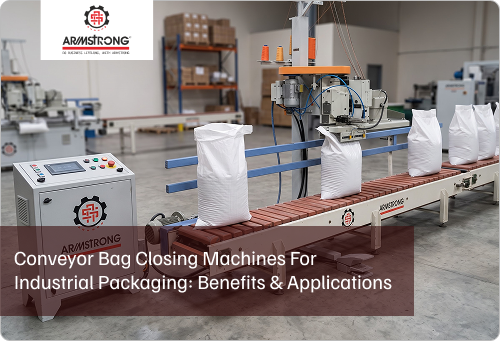
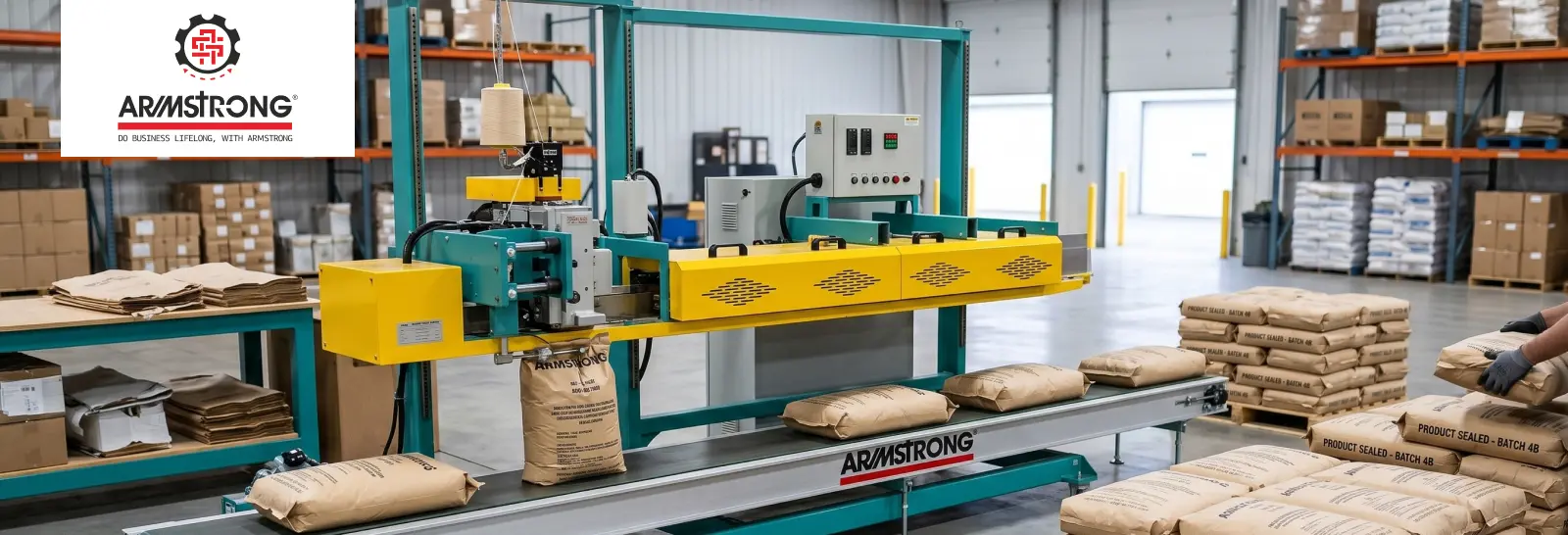
If you take a tour of any plant that produces fertilizer, animal feed, or cement products during the hours they are shipping products out of their plants, then you will see that these plants have a filling system that takes most of the attention, yet the whole line is really working at the speed of the sealing station.
This makes sense. If you think about and look at a filled bag that is not sealed correctly, it can cause far more issues to the plant than if an operator were using a poorly performing filling machine. Many issues with products leaking, rejected product shipments, dusty storage areas, and customer complaints can often be traced back to a single area of neglect: the quality of the bag closure.
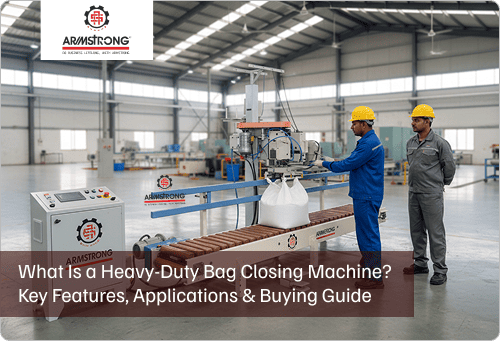
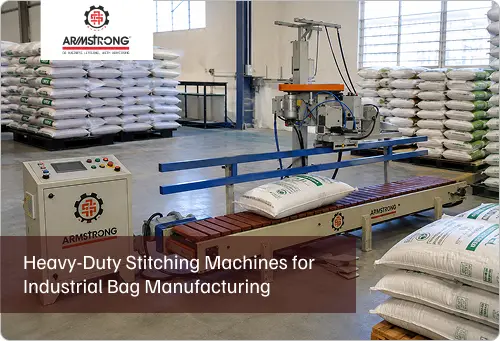
To help in keeping the quality of the bag closure at a high standard, the use of a heavy-duty bag sealing machine would be beneficial. It is designed to operate continually as a manufacturing operation; they have the capability of effectively sealing bags containing thick materials and heavy weights and meeting the rigors of a production schedule without sacrificing the strength of the closure. The end goal of every manufacturer, regardless of whether they are packaging fertilizers, cement, grains, chemicals, animal feed, or plastic granules, is to make sure their bags reach their destination in the same condition as they were when they left the factory.
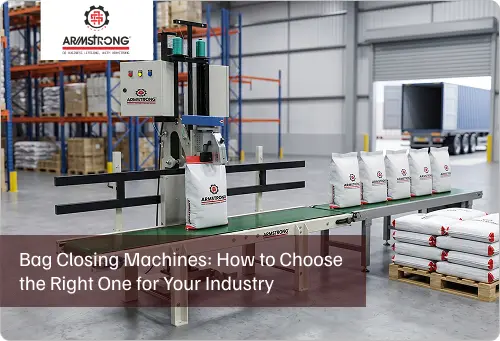
Bag Closing Machines do more than provide a stitched closure for bags. Depending on the requirements of materials being processed, these machines often incorporate multiple functions such as sewing, sealing, folding, trimming, and conveyor facilities into one process flow. In addition to their main features, most of them also work in conjunction with filling stations and other types of industrial bagging machinery to create a seamless package process from beginning to end.
The sealing system used may be determined by the type of container being used for the product. For example, a cement manufacturer who packages their product into PP woven sacks would have different requirements than a company's process for bottled food products. Of equal importance to having an understanding of the machine you will be using is having a thorough understanding of the environment of the package you will be working with.
Many manufacturers don't start looking for a new bag sealer because they want one. They start looking because an existing packaging problem is becoming too expensive to ignore.
Sometimes it's excessive product loss. Operators frequently change machine adjustments to maintain production continuity. Other situations involve production and packaging departments not being able to match output levels, creating a bottleneck that prevents shipping from meeting scheduled delivery times.
Take, for example, a fertilizer manufacturer who sells out of stock every day because of the increase in sales, but his production equipment is five years old and may be running slower than it did when it was last used.
To make up for this shortage of available labor, he allocates more employees to his packaging operation; however, because he added additional resources to his operation, his overall productivity will only slightly increase. Eventually, the issue isn't labor or production capacity; it's packaging efficiency.
Industrial heavy-duty bag sealers have become increasingly important across manufacturing sectors.
The right machine doesn't just close bags. Packaging operations can be optimized via improved workflow through sealing applications. With improved closure strength, bags are much less likely to leak when receiving, handling, and transporting products. By maintaining a consistent seal quality, rework requirements are reduced. Through the use of automated systems instead of processing through operator control, production volumes can also be increased.
The overall financial benefit from eliminating leaking bags can be very substantial. While a percentage of leaking bags may not seem like much, when multiplied over thousands of bags on a weekly basis, the total loss of product from leakage greatly adds up. When product loss from leaks is also combined with transportation claims from leaking bags, customer or recipient complaints due to leaking bags, and rework costs from packaging rework of leaking bags, the total cost quickly becomes apparent.
Businesses that select the right sealing solution often realize additional benefits in areas other than just packaging. Dispatch becomes smoother. Downtime decreases. Packaging quality becomes more predictable. Most importantly, products leave the facility with greater protection.
When choosing a sealing machine, it is typically more complicated than simply looking at the rate of production as shown in the machine's brochure. Although two machines might be comparable on paper, they will generally perform significantly differently in an actual production environment.
You'll usually make the best choices when purchasing your machine if you consider the operational requirements first, then look at the specifications of your machine.
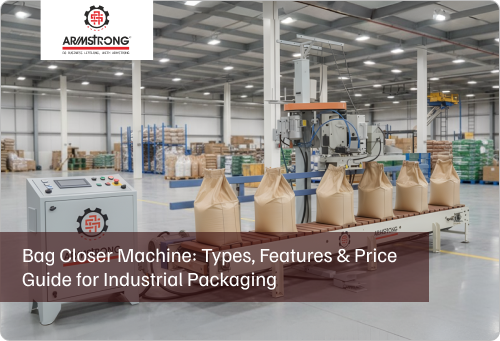
Read More: Bag Closer Machine: Types, Features & Price Guide for Industrial Packaging
Many manufacturers make an error when developing their packaged product; they assume that all packaging materials behave similarly to one another. When assessing the operation of machines that are capable of being capable of producing quality woven bags and paper bags, you should not assume just because the machines have been proven to work well for woven/paper products that they will also work for laminated/specialty industrial bags. You may need to make adjustments to machine settings or use different methods for sealing these types of packaged products.
If you would like to compare machines before purchase, ask yourself the following question: "What type of bags do I package daily?"
This will typically help you whittle down your choices quicker than any technical specification chart will.
Production volume has a habit of exposing equipment limitations.
A machine that performs perfectly in a medium-sized operation can quickly become a bottleneck when output increases. This is especially true in companies whose business continues to grow and relies solely on current needs for their equipment purchases.
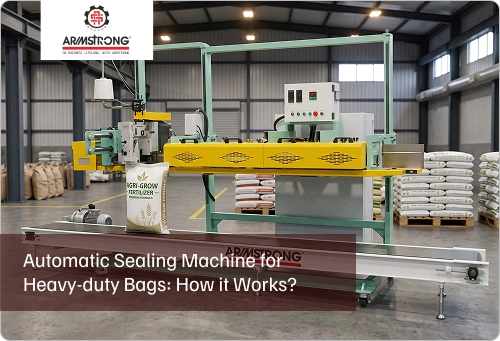
More and more manufacturers now choose to invest in an automatic sealing machine for heavy-duty bags because it allows them to grow while still producing uniformly packaged products on a consistent basis.
Packaging lines have changed significantly over the last decade.
In many modern facilities, sealing is no longer treated as a standalone operation. When filling systems, weighing units, conveyors, inspection points, and industrial bagging machinery are integrated into one workflow, improving productivity and reducing manual intervention at the sealing machine will have a positive impact on the complete line of production.
If a production manager were asked for a factory's most costly machine, most would not refer to the machine costing the most to purchase but rather refer to the machine that seems to constantly break down as "the machine that keeps breaking down. " A sealing machine might be very flashy during the demonstration; however, if it is difficult to find replacement parts for it or if repair service takes too long, then you would quickly experience expensive production stoppages.
A key reason many manufacturers will remain loyal to their original equipment supplier for many years is that they offer reliable technical support after the sale.
Operators think the best packing equipment is the equipment that they don’t have to think about. Things like complicated settings, long changeovers, and difficult-to-use controls create the opportunity for mistakes and can also slow production down. Easy-to-use systems provide for greater consistency and require less training.
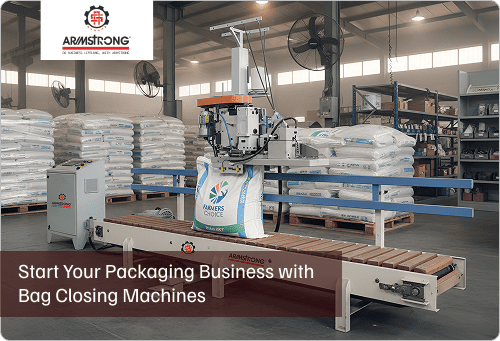
See More: Start Your Packaging Business with Bag Closing Machines
Different industries package different products, which is why multiple sealing technologies exist today.
The right machine isn't necessarily the fastest.
A fertilizer plant packaging 50 kg sacks has different priorities from a food processing company handling moisture-sensitive products. Likewise, a business running one shift per day will have different requirements from a facility operating around the clock.
Start by identifying the challenges affecting the packaging line today. Is the problem speed? Downtime? Product loss? Labor dependency?
The decision-making process is often easier with an understanding of the issues.
For many businesses, when looking for cost-effective bag sealing services, it becomes apparent that reliability, service support, and ease of maintenance provide more long-term value than simply going for the lowest-priced machine when combined with these issues.
Industrial packaging settings require machinery that operates consistently, even when under pressure. Armstrong is a leading bag sealing machine manufacturer and supplies bag sealers catering to different sectors such as agricultural, fertilizer, cement, chemical, and food processing industries.
The machinery developed by Armstrong is designed to withstand the intense demands of industry by providing an effective means of sealing bags at high quality, in a productive manner, and with long-lasting performance.
If you are looking for a complete solution for your packaging needs, you will find a variety of options available through Armstrong, including individual BCS machine, portable bag closer machine or integrated packaging lines.
Armstrong woven sack machines are designed to handle a wide range of industrial packaging formats, including the following:
This versatility allows manufacturers to use a single solution across multiple product lines while maintaining consistent sealing quality.

By analyzing different packaging materials used for sealing, monitoring throughput rates, documenting automation objectives, and projecting business growth periods, a manufacturer is able to choose an appropriate sealing solution for his/her manufacturing process during both the present and future. Armstrong can assist any type of manufacturer wishing to improve packaging dependability and performance through developing industrial/seam-sealing equipment solutions that operate in the actual manufacturing environment.
Explore more articles on innovation, engineering, and industry leadership.
December 7, 2024
September 8, 2025
October 15, 2025
November 25, 2025
November 26, 2025
December 29, 2025
January 27, 2026
February 23, 2026
February 24, 2026
August 10, 2026
August 20, 2026
August 26, 2026
September 16, 2026
September 19, 2026
 Previous